

%201.svg)

Ce n'est pas du plastique, c'est PlantSwitch
True Biodegradability



Most impacting products
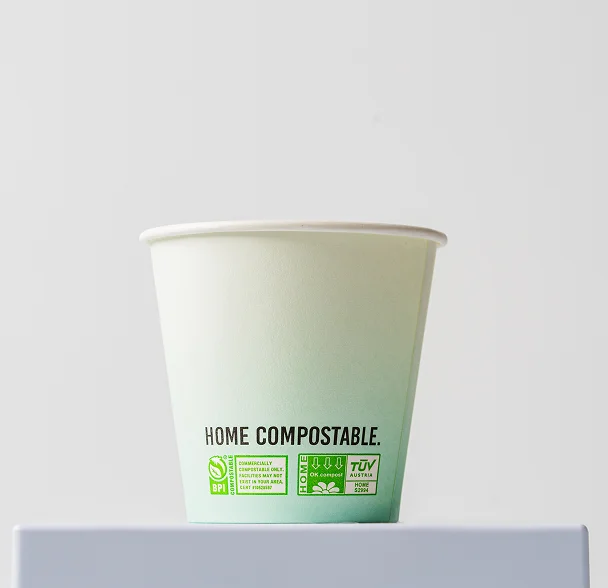
Our home compostable resin will fully break down in backyard compost in less than 6 months, leaving zero microplastics behind.
.webp)
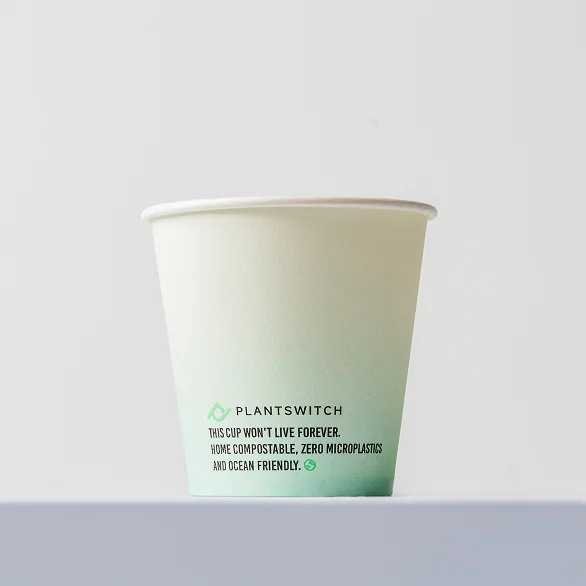
8 oz Cup
.webp)
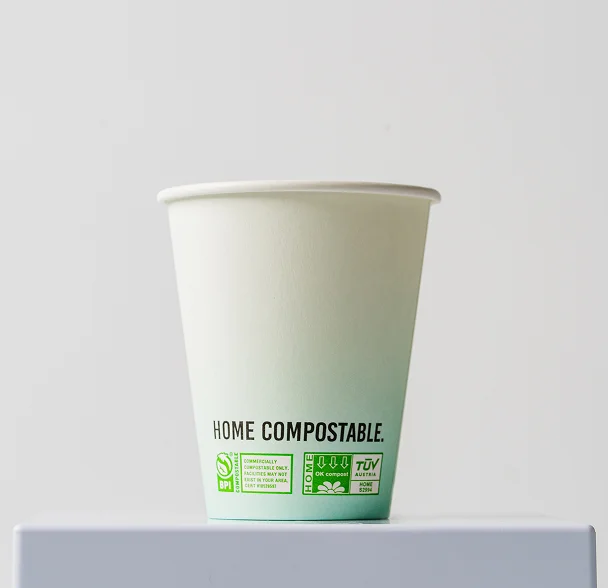
10 oz Cup
.webp)
.webp)
12 oz Cup
.webp)
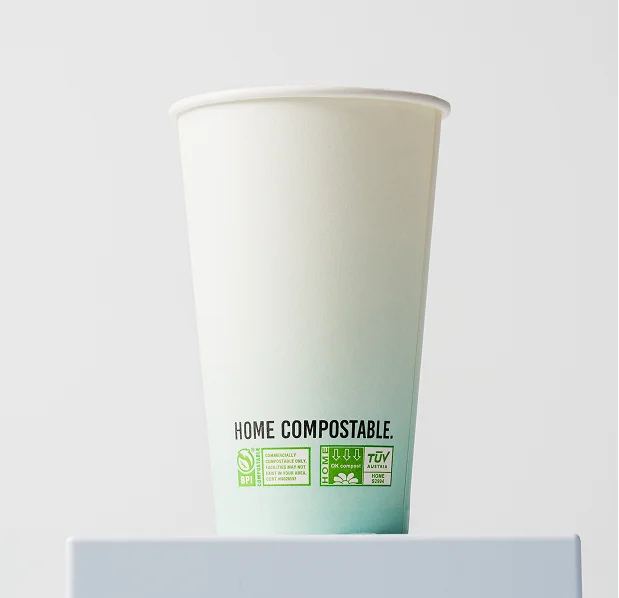
16 oz Cup
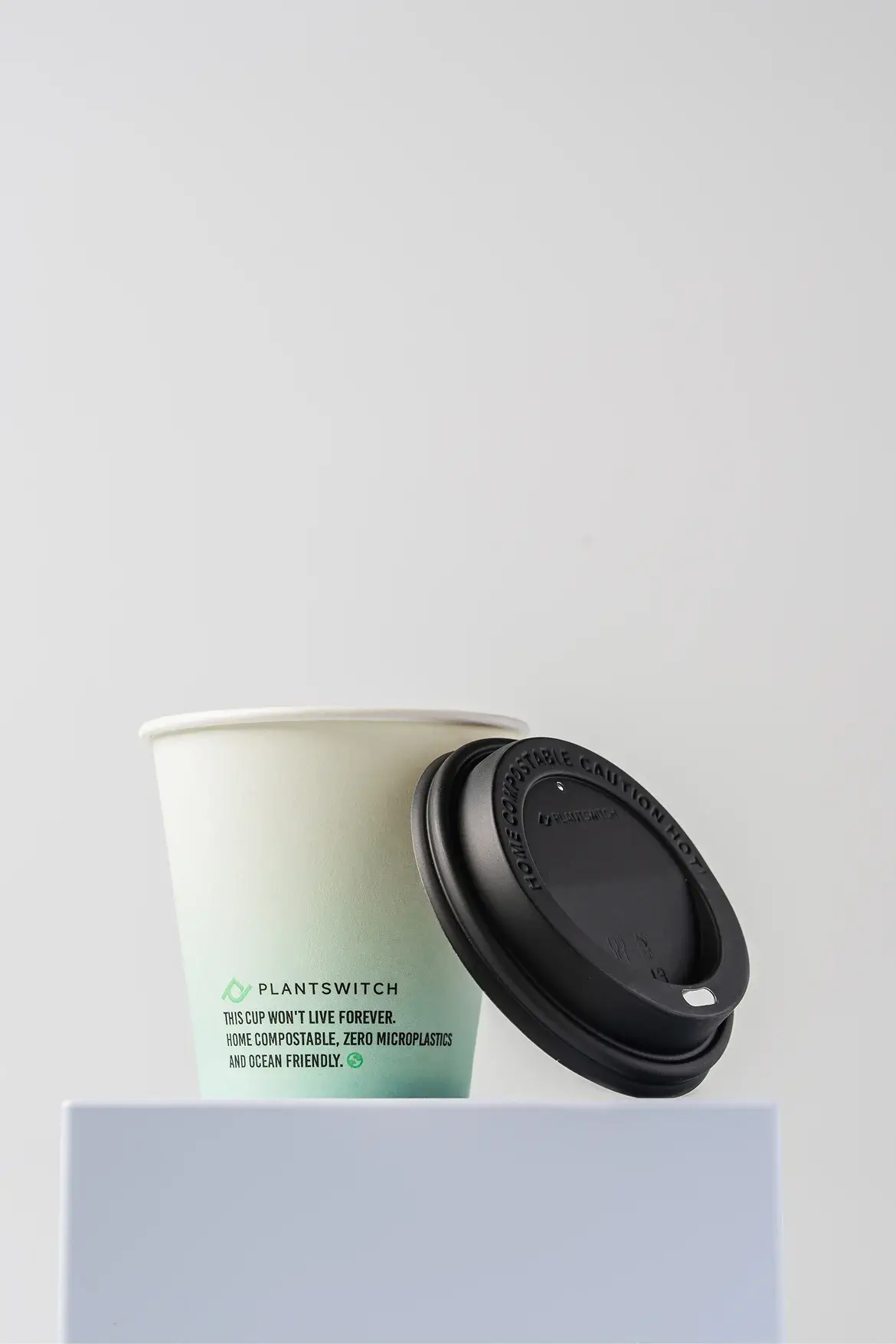
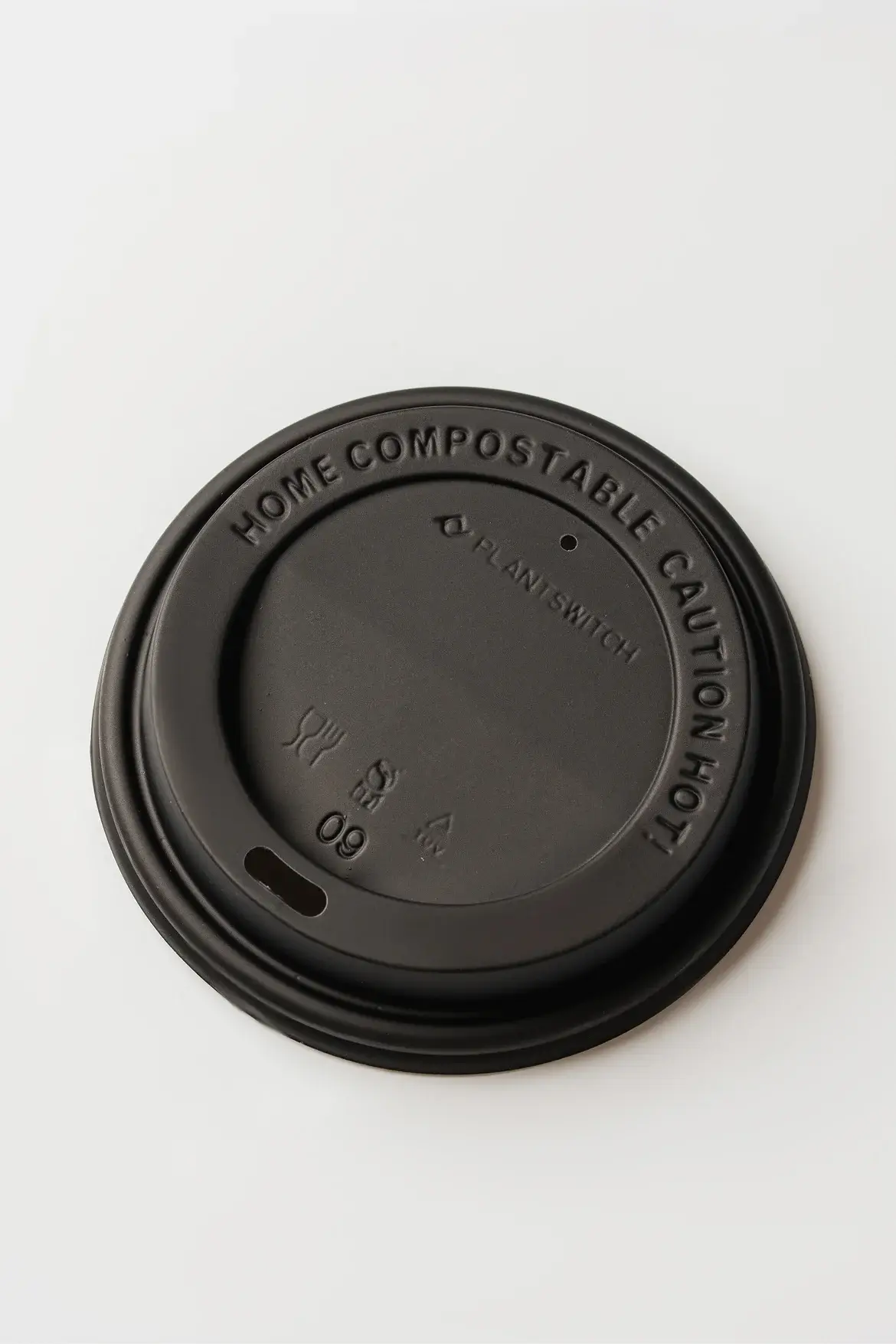
80 mm Lid Black
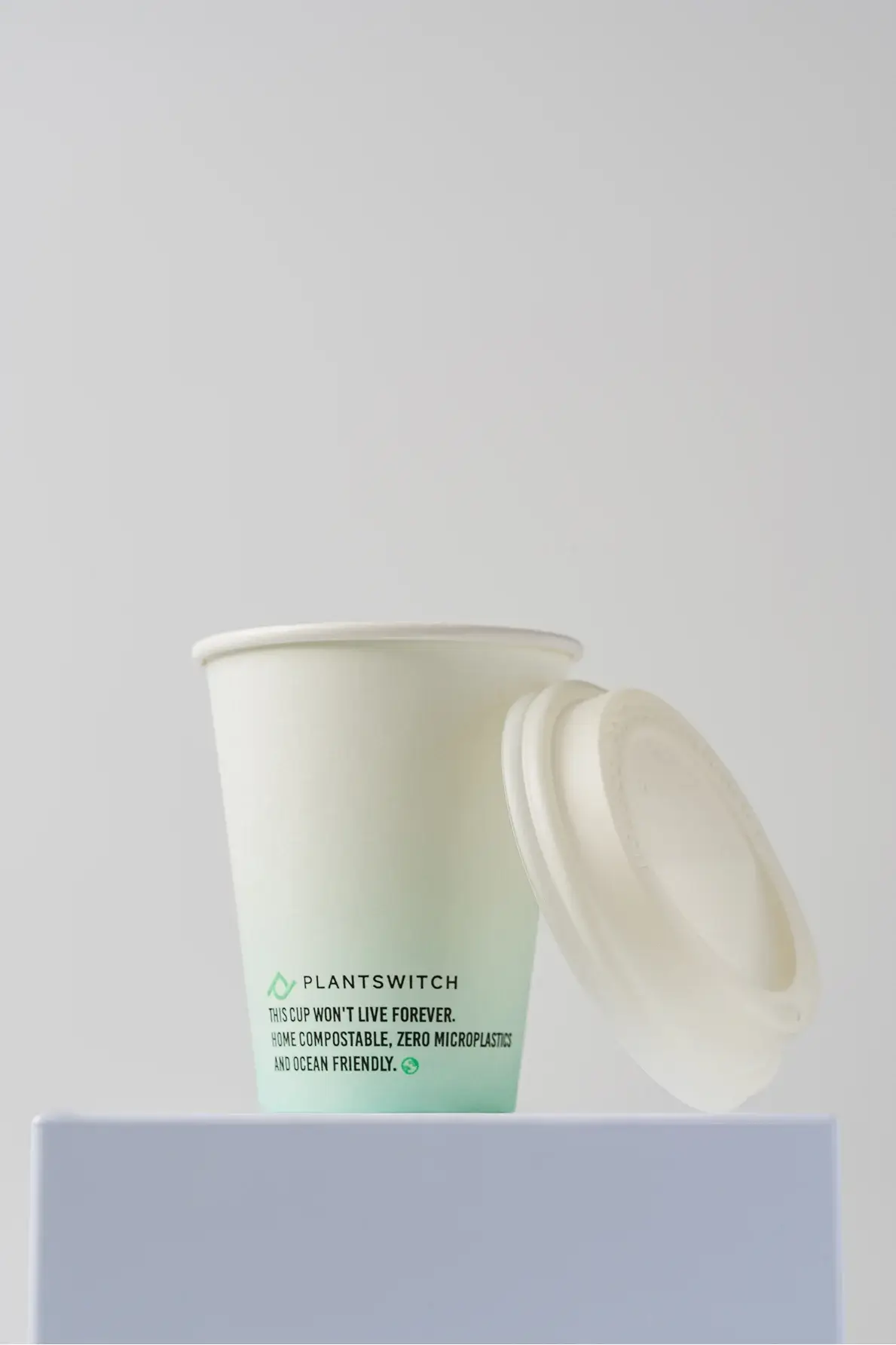
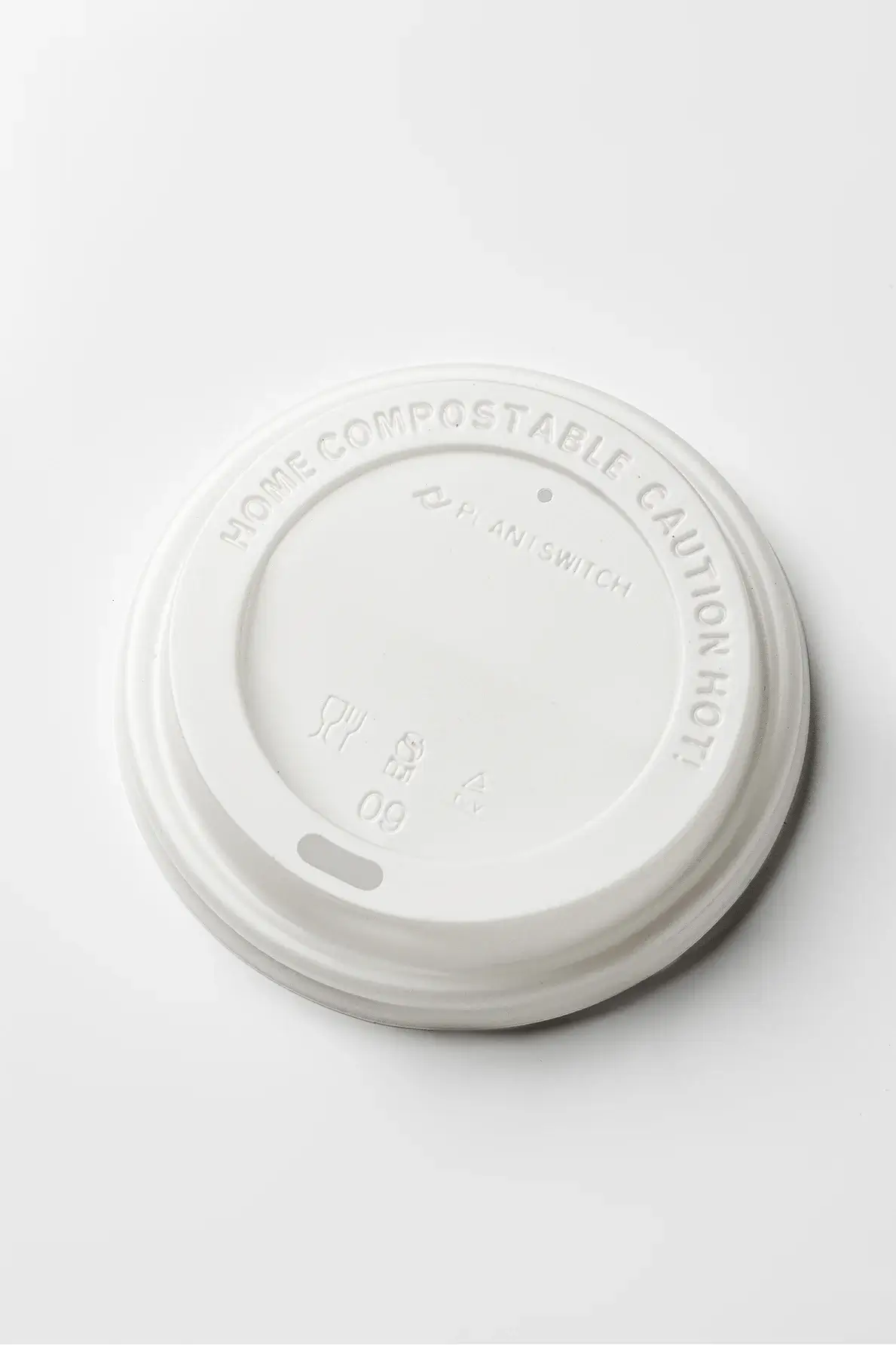
80 mm Lid Natural
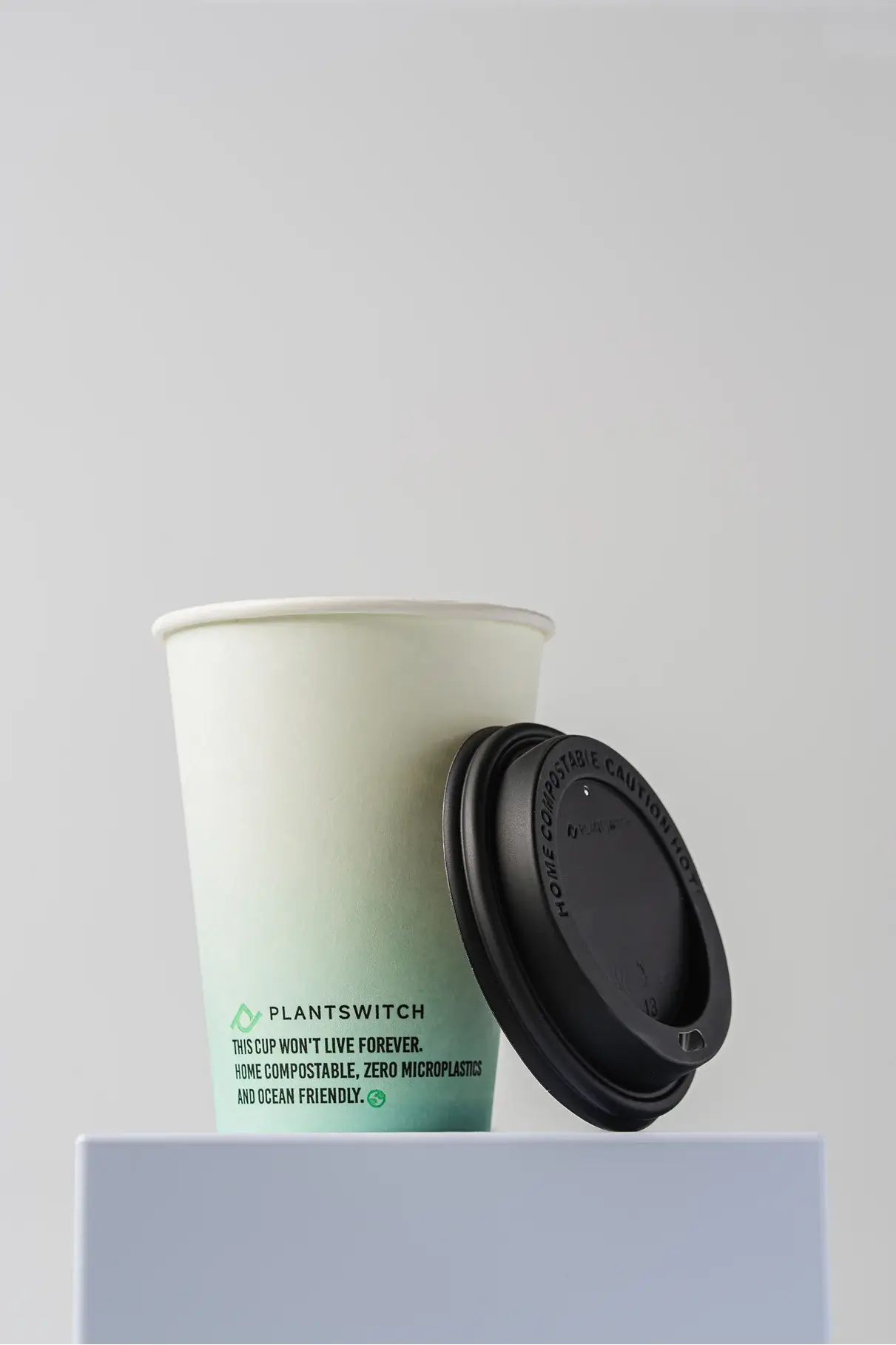
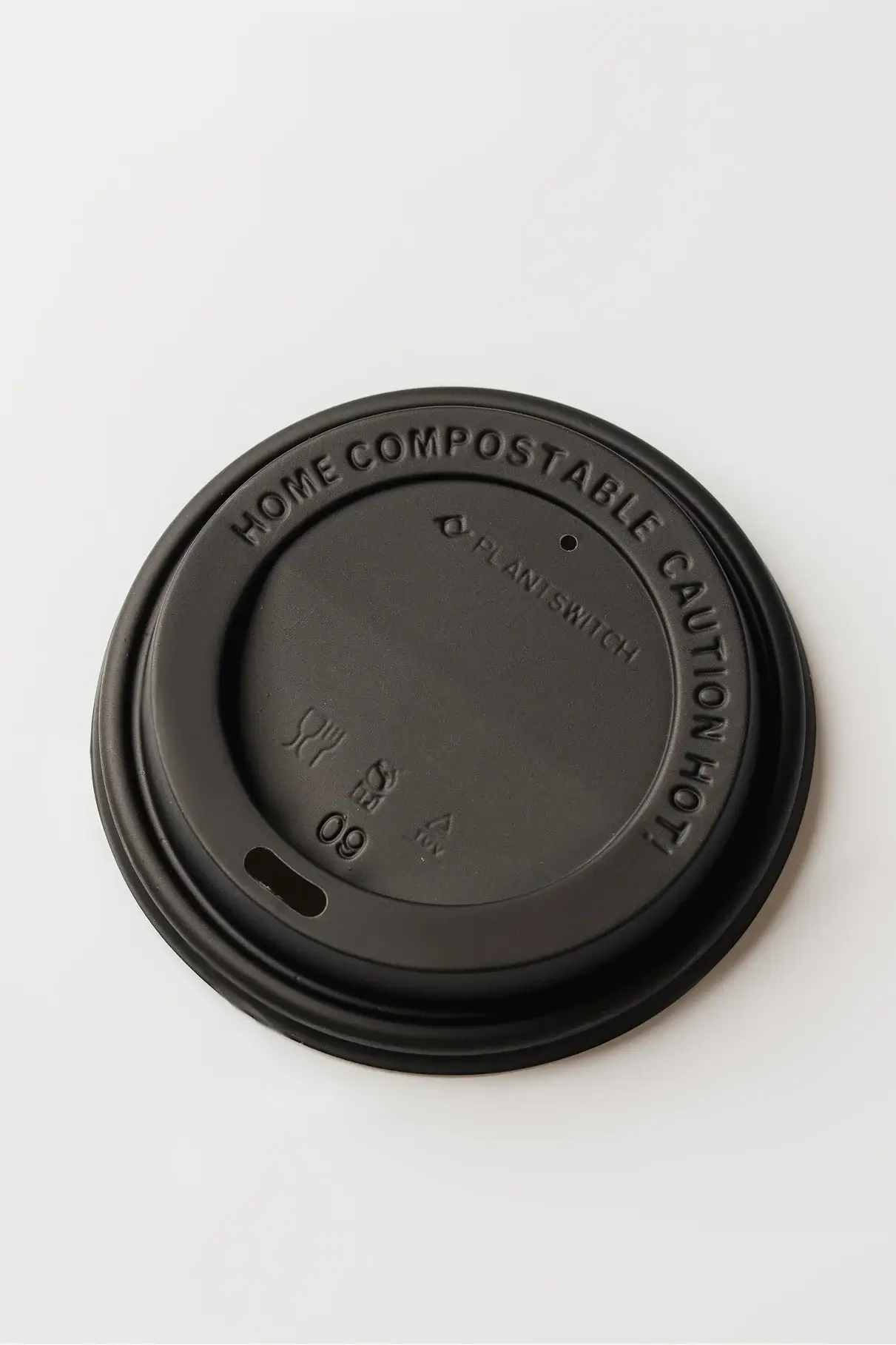
90 mm Lid Black
%20(1).webp)
.webp)
90 mm Lid Natural
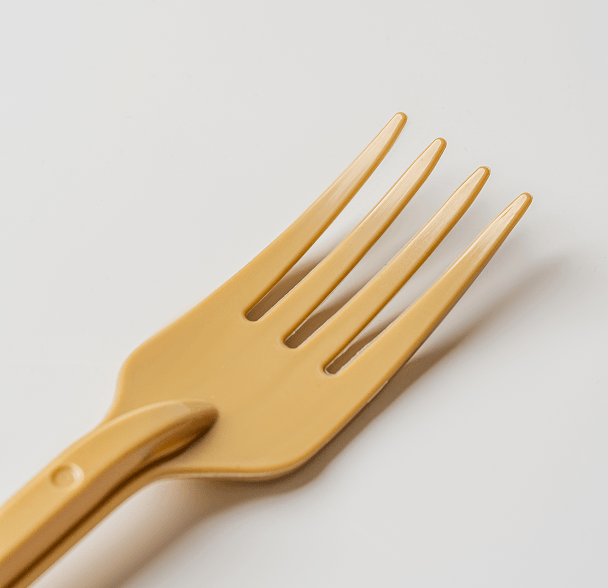
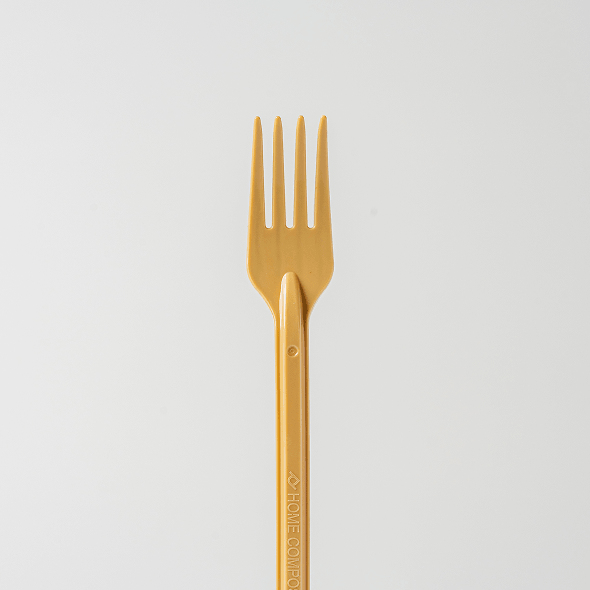
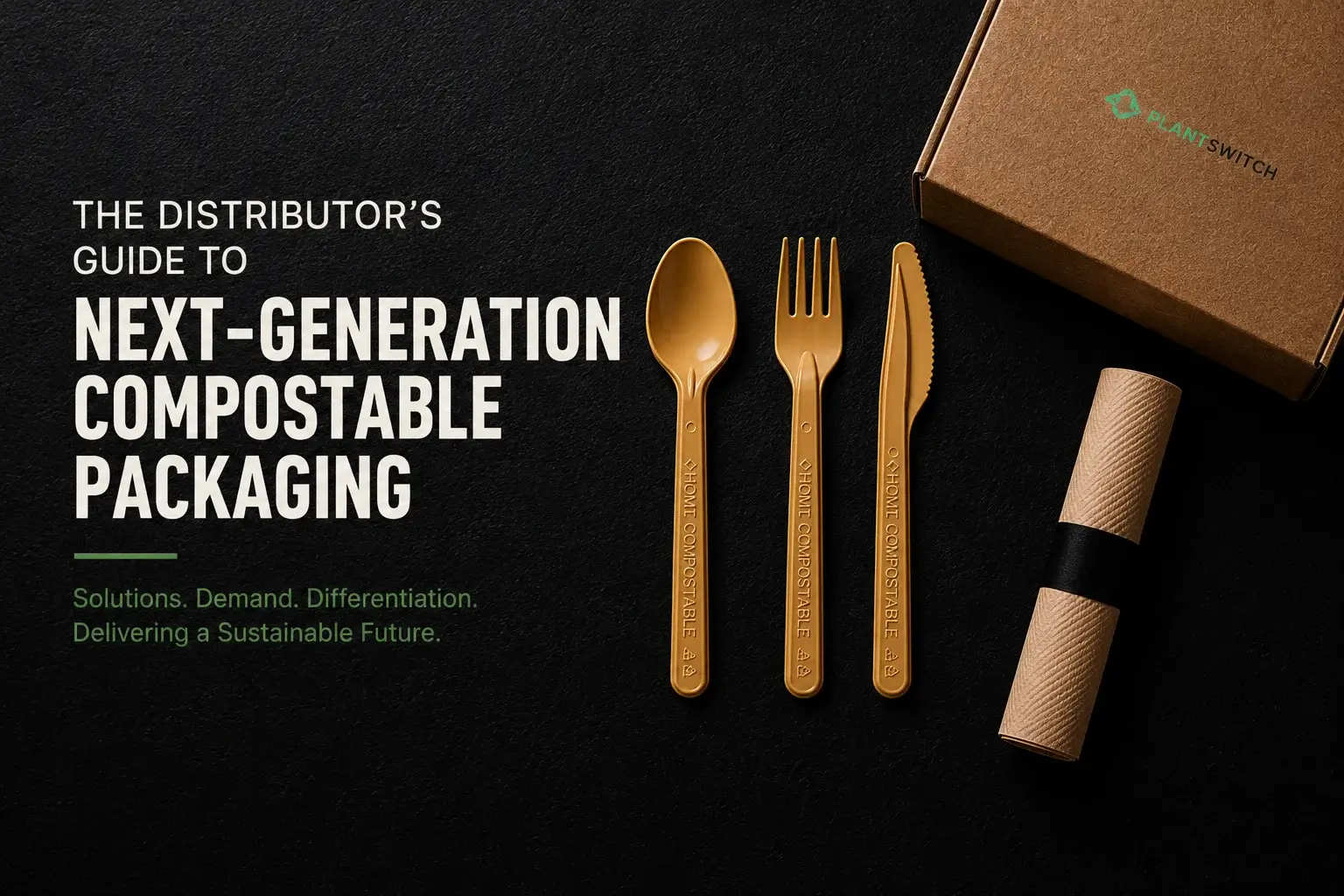
Fork
.webp)
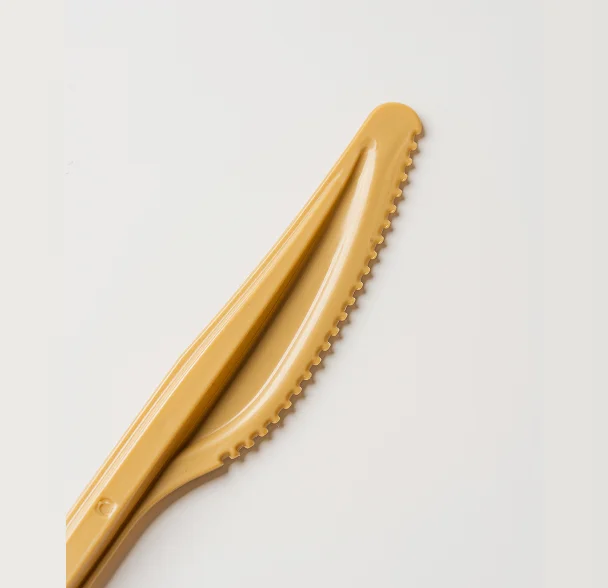
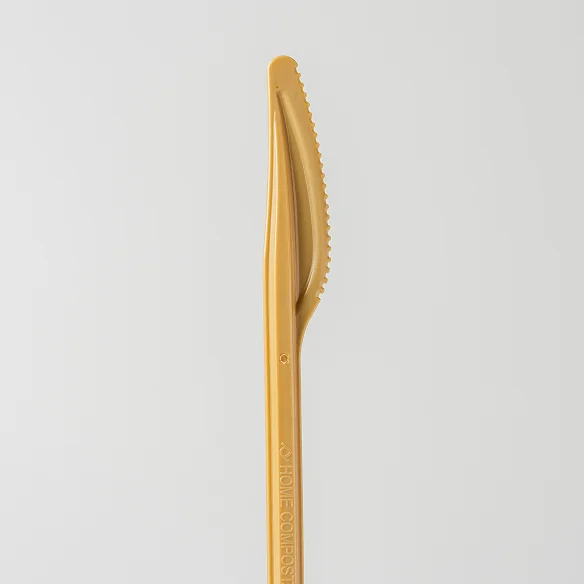
Knife
.webp)
.webp)
Spoon
.webp)
.webp)
Cutlery Set
%20(1).webp)
%20(1).webp)
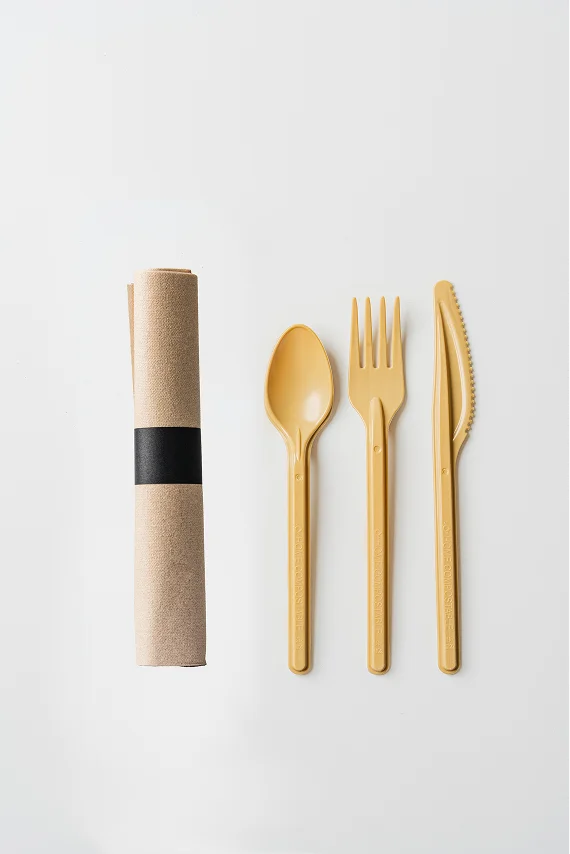
Wrapped Cutlery Kit
.webp)
.webp)
Napkin Roll
.webp)
.webp)
Wrapped Fork
.webp)
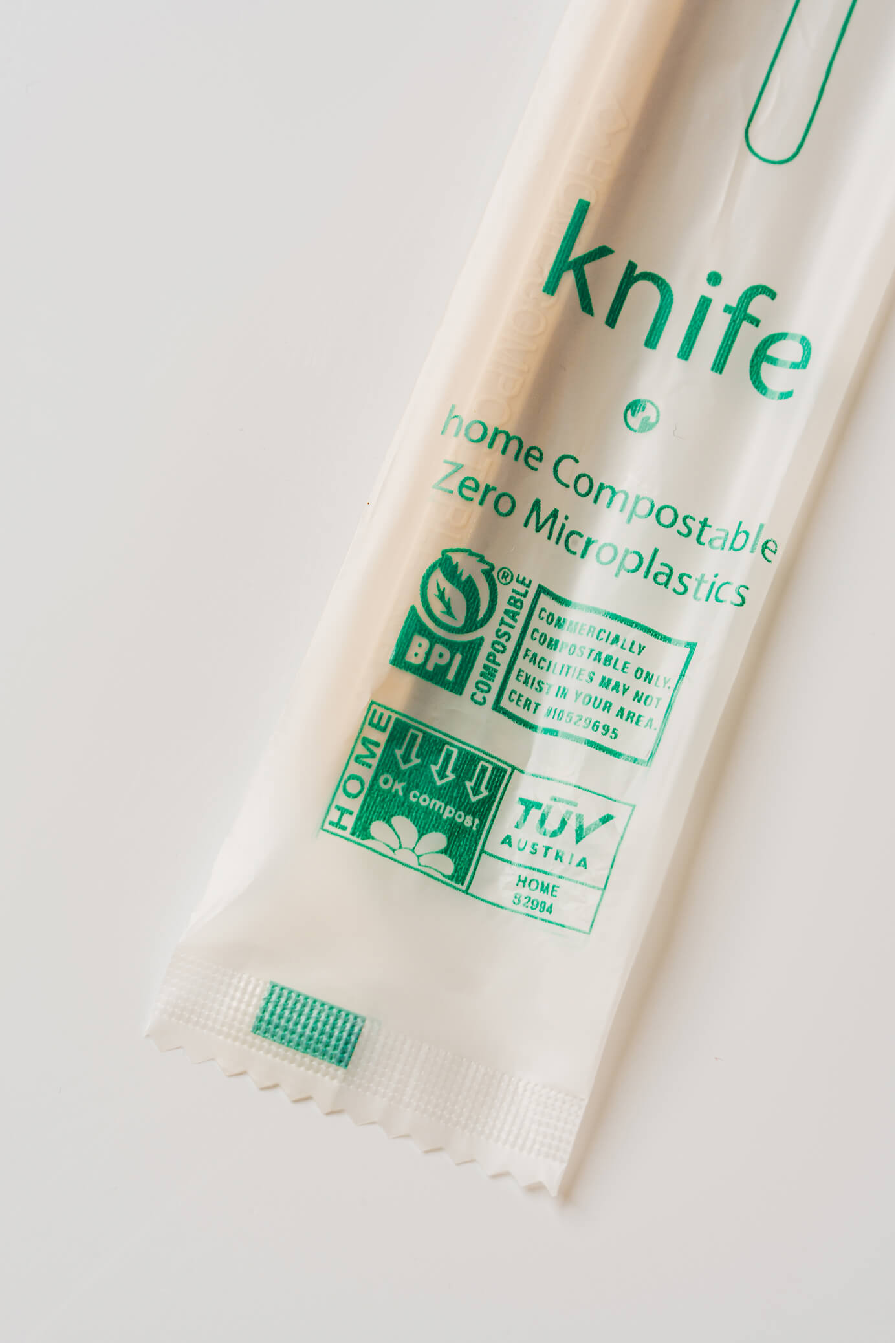
Wrapped Knife
.webp)
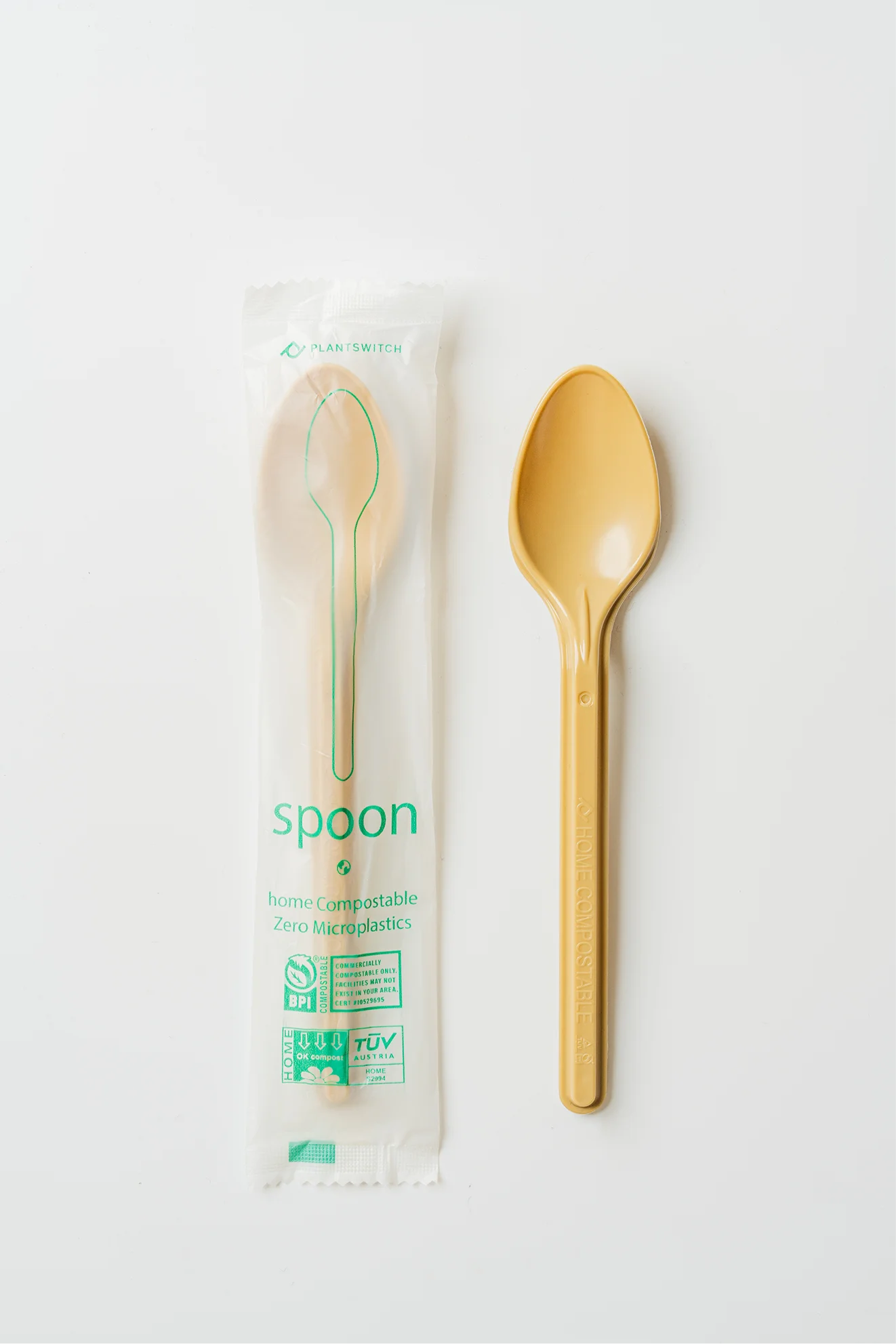
Wrapped Spoon
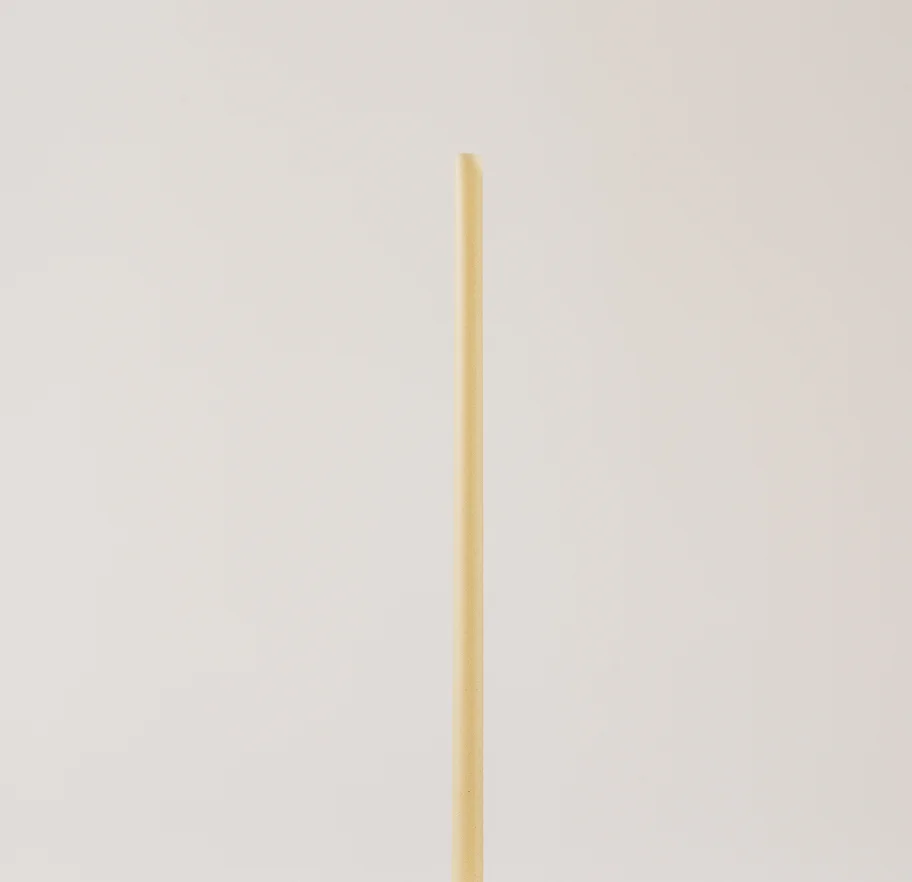
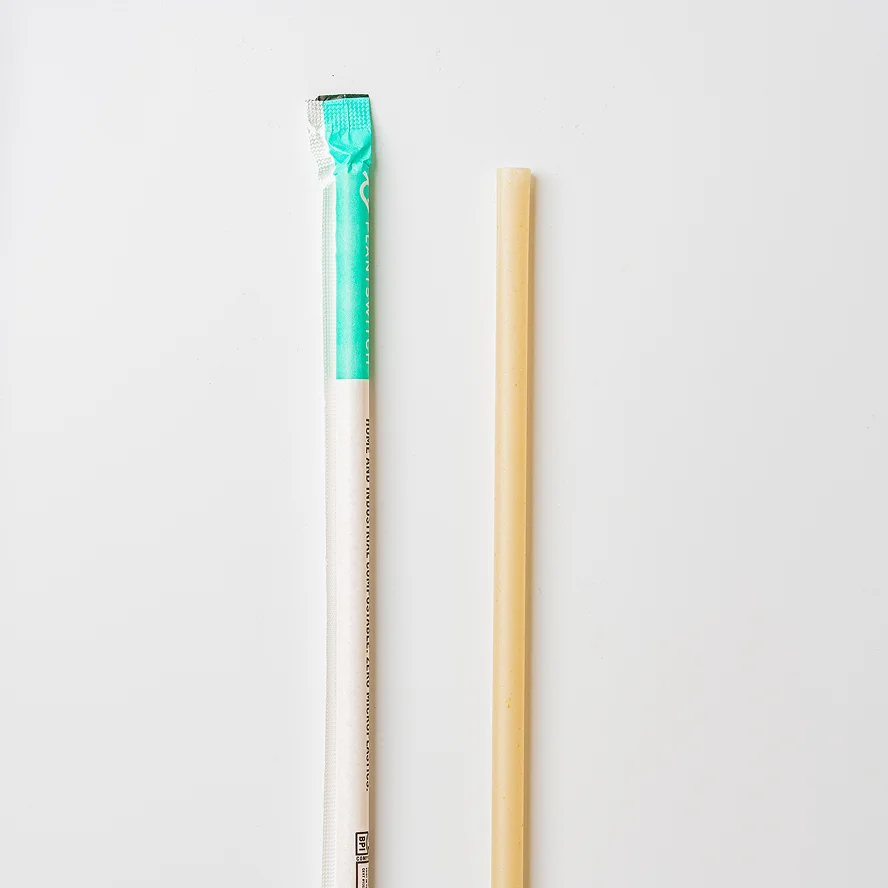
Cocktail Straw

.webp)
Jumbo Straw
.webp)
.webp)
Giant Straw
.webp)
.webp)
Boba Straw
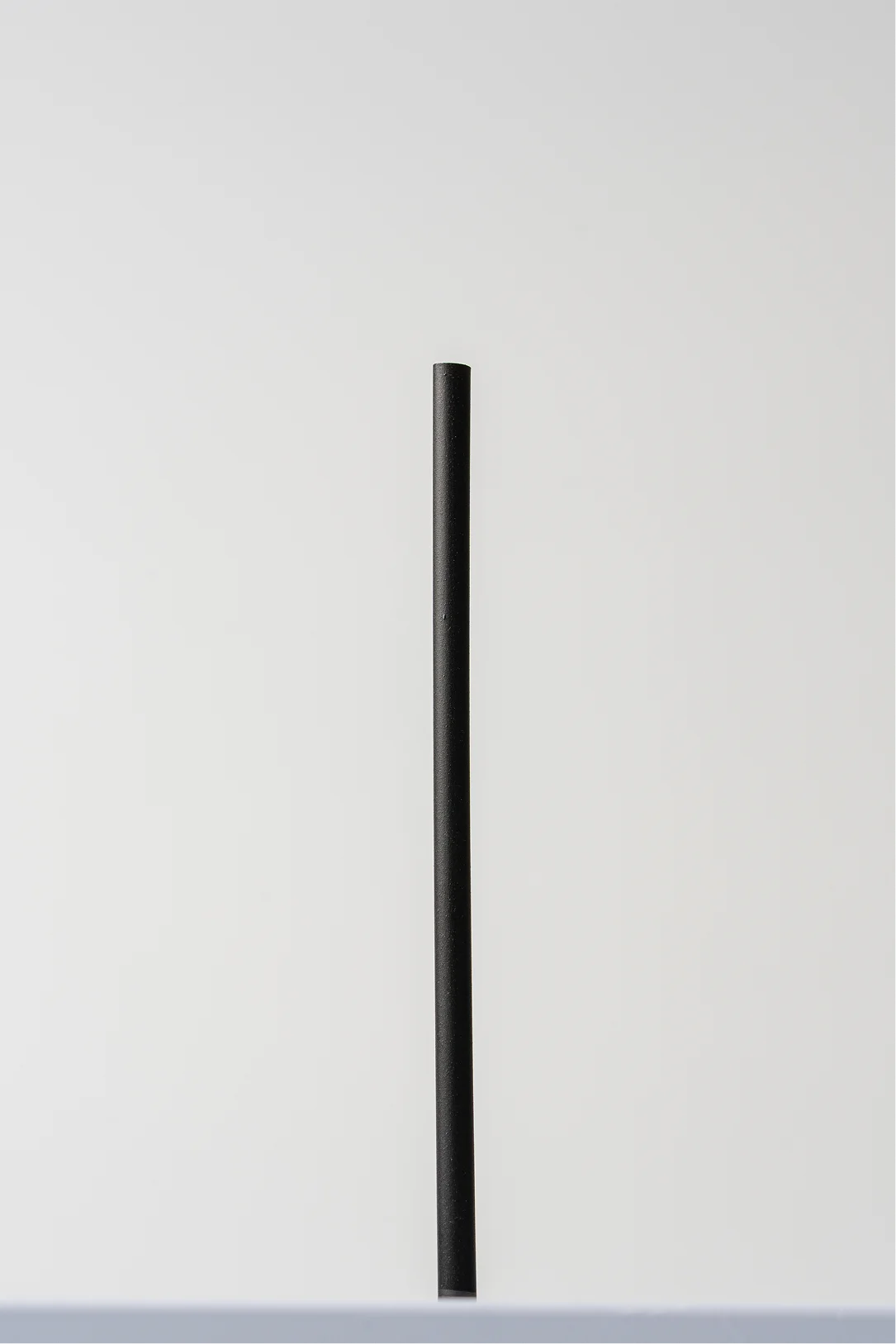
Black Cocktail Straw
.webp)
Black Jumbo Straw
.webp)
Black Giant Straw
.webp)
Black Boba Straw
.webp)
Resin
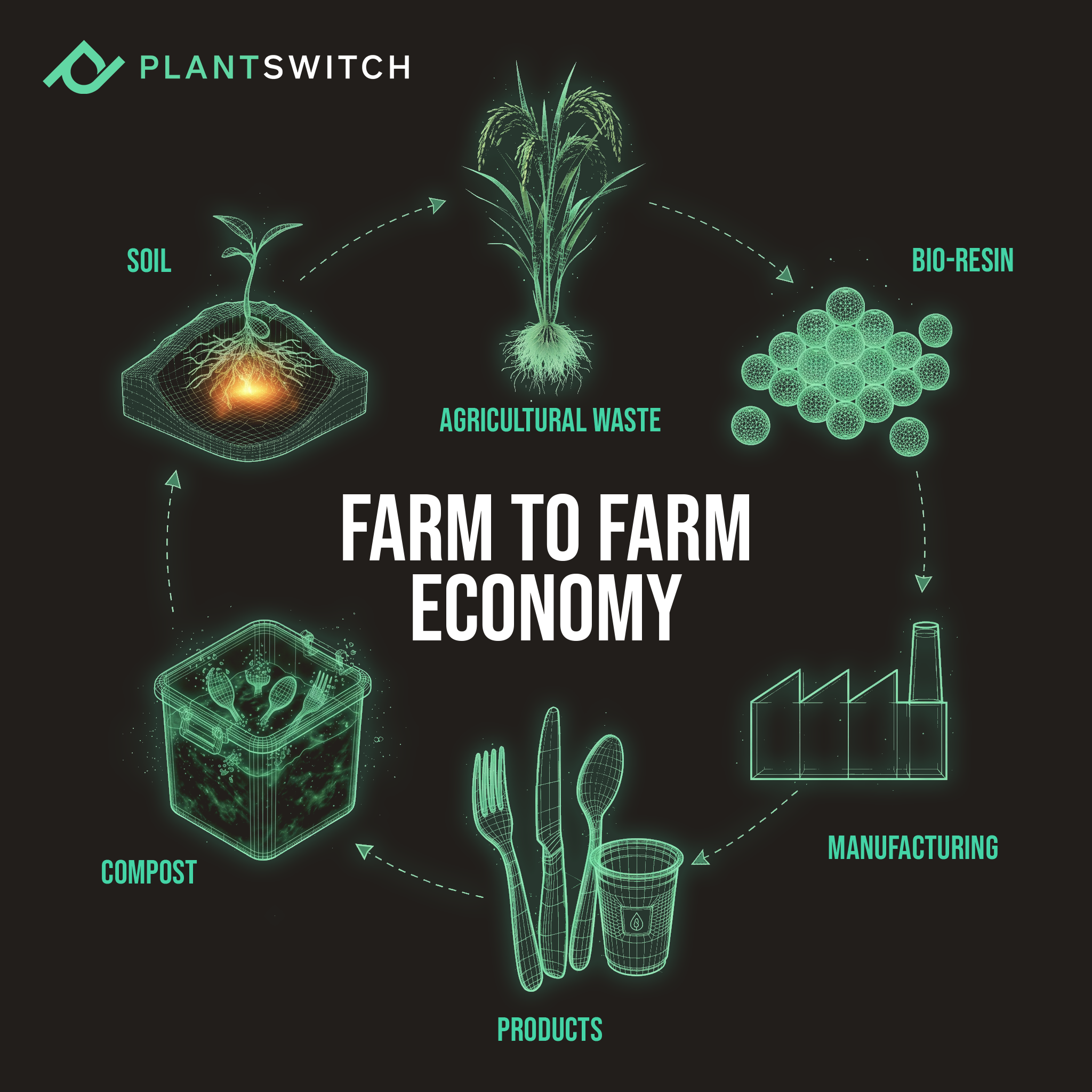
Our truly circular process starts at the farm and ends back at the farm. Our proprietary technology converts the leftovers from agricultural production into our high-performance CompostZero™ bio-resin, which we then convert into PlantSwitch products. Once used, our products go back into compost, leaving zero waste and zero microplastics.
Frequently Asked Questions

Is PlantSwitch actually compostable in my backyard, or do I need to send it somewhere special?
Yes, PlantSwitch is home compostable. You can toss it in a regular backyard compost bin and it'll break down on its own. Unlike PLA, which only breaks down at the high temperatures of an industrial composting facility, PlantSwitch's CompostZero ™ resin disintegrates in normal home compost conditions. Independent testing by Normec Group showed 100% disintegration in just under 10 weeks.
What's PlantSwitch made of?
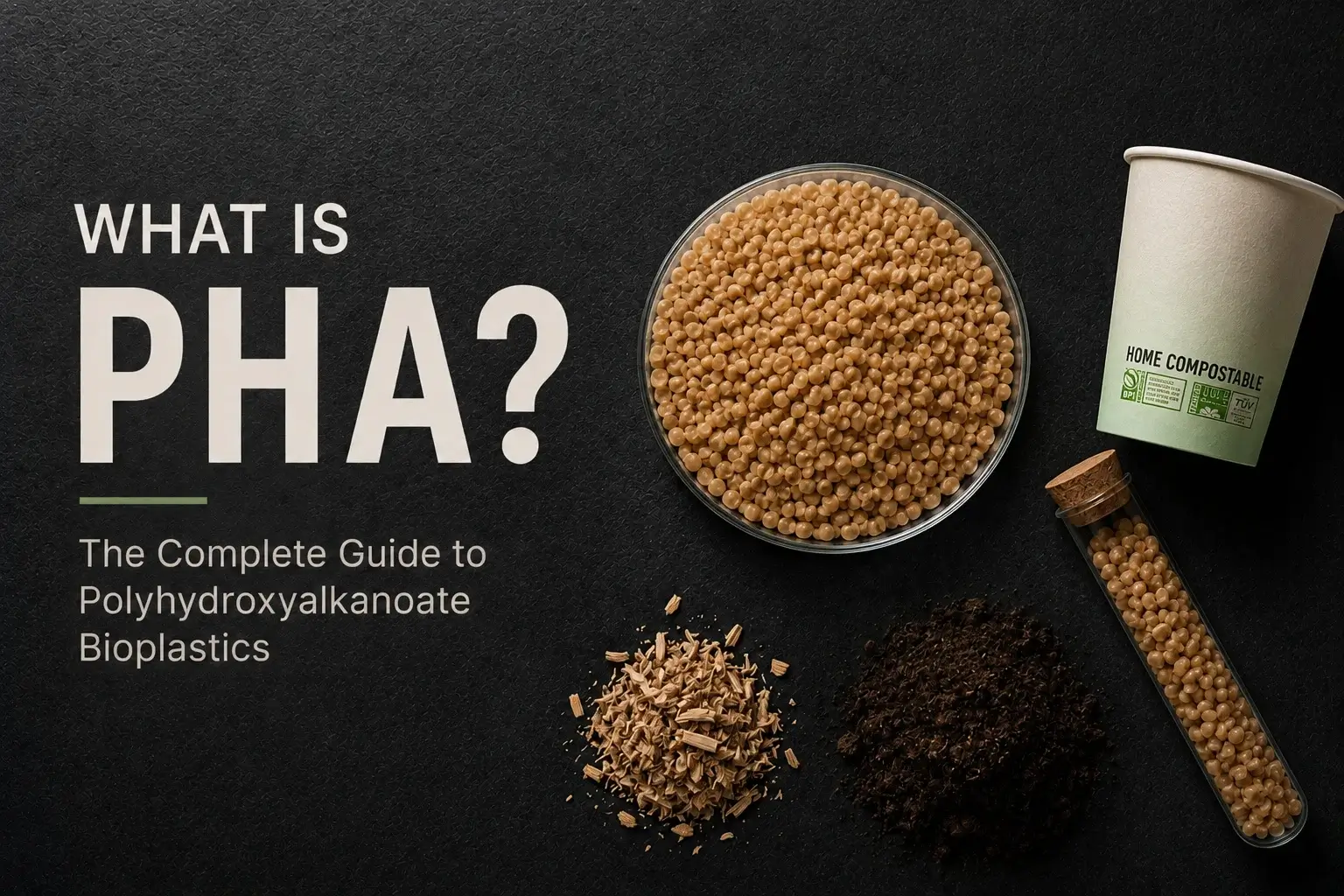
PlantSwitch is made from agricultural residues, primarily rice hulls. These are leftover byproducts from food production that usually have little to no commercial value. We turn them into a plant-based bio-resin called CompostZero ™, which gets molded into cups, cutlery, straws, lids, and other food packaging.
How is PlantSwitch different from PLA?
PLA is made from corn or sugarcane and only breaks down in industrial composting facilities. PlantSwitch is made from agricultural waste and breaks down in home compost. In a real-world home composting study, PlantSwitch cutlery outperformed both PLA and wooden alternatives, fully disintegrating while the others remained intact.
Will PlantSwitch leave microplastics behind?
No. PlantSwitch fully breaks down in home compost with zero microplastics remaining. Conventional plastics and some bioplastics fragment into tiny persistent particles that pollute soil and water. PlantSwitch doesn't do that, which is why we say "zero microplastics, zero waste."
How long does PlantSwitch take to break down?
Just under 10 weeks in home compost conditions. That number comes from independent testing by Normec Group, which measured 100% disintegration of PlantSwitch's CompostZero ™ resin in standard home composting conditions.
Can my restaurant or business buy PlantSwitch in bulk?
Yes. PlantSwitch manufactures resin and finished products in-house and sells in bulk to foodservice operators, distributors, brands, and retailers. Current customers include Taylor Farms, Walmart, Starlink, Wonder Ghost Kitchen, and Live Nation. You can request samples or a quote through the contact page.
Does PlantSwitch hold up to hot drinks and hot food?
Yes, PlantSwitch performs like conventional plastic. It won't melt in your coffee or break under your bowl of soup. The whole point of the product is to give you the same performance as petroleum plastic without the environmental cost.
Is PlantSwitch more expensive than regular plastic?
PlantSwitch is competitively priced with other compostable alternatives, and because we manufacture vertically (resin and finished products in-house), we're often the lowest-cost compostable option for buyers comparing across suppliers. Cost varies by product, volume, and customization. Contact us for a quote.
Can plastic manufacturers use PlantSwitch resin in their existing equipment?
Yes. CompostZero ™ is a drop-in solution that runs on existing plastic manufacturing equipment. Plastic converters can switch from petroleum-based resin to CompostZero ™ without buying new machinery, which is why we work with industrial partners as well as direct buyers.
Voyez-le en action
Everest est un entrepreneur en agriculture écologique et un technicien de laboratoire pour la Soil Food and Web School, l'un des programmes privés de recherche et d'enseignement les plus complets qui fournit des informations, des outils et des certifications pour les solutions de sols régénératifs.TM actually biodegrades in nature. In a real-world home composting study, PlantSwitch cutlery significantly outperformed PLA and wooden alternatives.
Pour nous, passer du plastique aux plantes est une décision évidente
Notre résine compostable domestique se décomposera entièrement dans un compost de jardin, ne laissant aucun microplastique derrière elle.
Donner une seconde vie aux déchets : les résidus agricoles que nous recyclons sont des sous-produits de la production alimentaire, nous leur apportons une valeur ajoutée tout en résolvant un problème de déchets pour les producteurs agricoles
Nos résines ont le même toucher et fonctionnent comme du plastique, sans culpabilité
Nos résines sont des produits de remplacement « instantanés », les fabricants de plastiques peuvent utiliser leurs machines et procédés existants avec des coûts de remplacement négligeablesTM resins and leading food packaging products in-house. Work directly with us for the best quality and lowest cost plastic alternatives.
Procédé
Notre processus véritablement circulaire commence à la ferme et se termine à la ferme. Nous transformons les résidus agricoles en granulés de plastique compostables, nos partenaires de fabrication utilisent ces granulés pour fabriquer des produits compostables, puis ce produit est utilisé et jeté dans du compost qui est renvoyé à l'agriculteur.
Résidus agricoles
Nous utilisons les restes des principales productions alimentaires, tels que des coques de riz, de la paille de blé, etc. Ces restes ont actuellement peu ou pas de valeur, c'est pourquoi notre procédé leur donne une seconde vie très importante.
Production de biopolymères
Notre technologie exclusive convertit ces matières premières en une résine biopolymère. Notre résine peut être utilisée pour fabriquer la plupart des produits en plastique.
Produits finis
Notre résine est une solution intégrée aux machines en plastique existantes, permettant aux fabricants de plastique de passer en toute simplicité à notre matériau d'origine végétale.
Compostage
Une fois que le produit a été utilisé, il peut être jeté dans le compost de votre jardin ou de votre maison. Ce compost peut ensuite être utilisé pour cultiver davantage de ces merveilleux matériaux.





Conseil consultatif

Présenté dans
Afficher tout
.webp)
.jpeg)
Blogs en vedette
Afficher tout