

%201.svg)

No es plástico, es PlantSwitch
True Biodegradability



Most impacting products
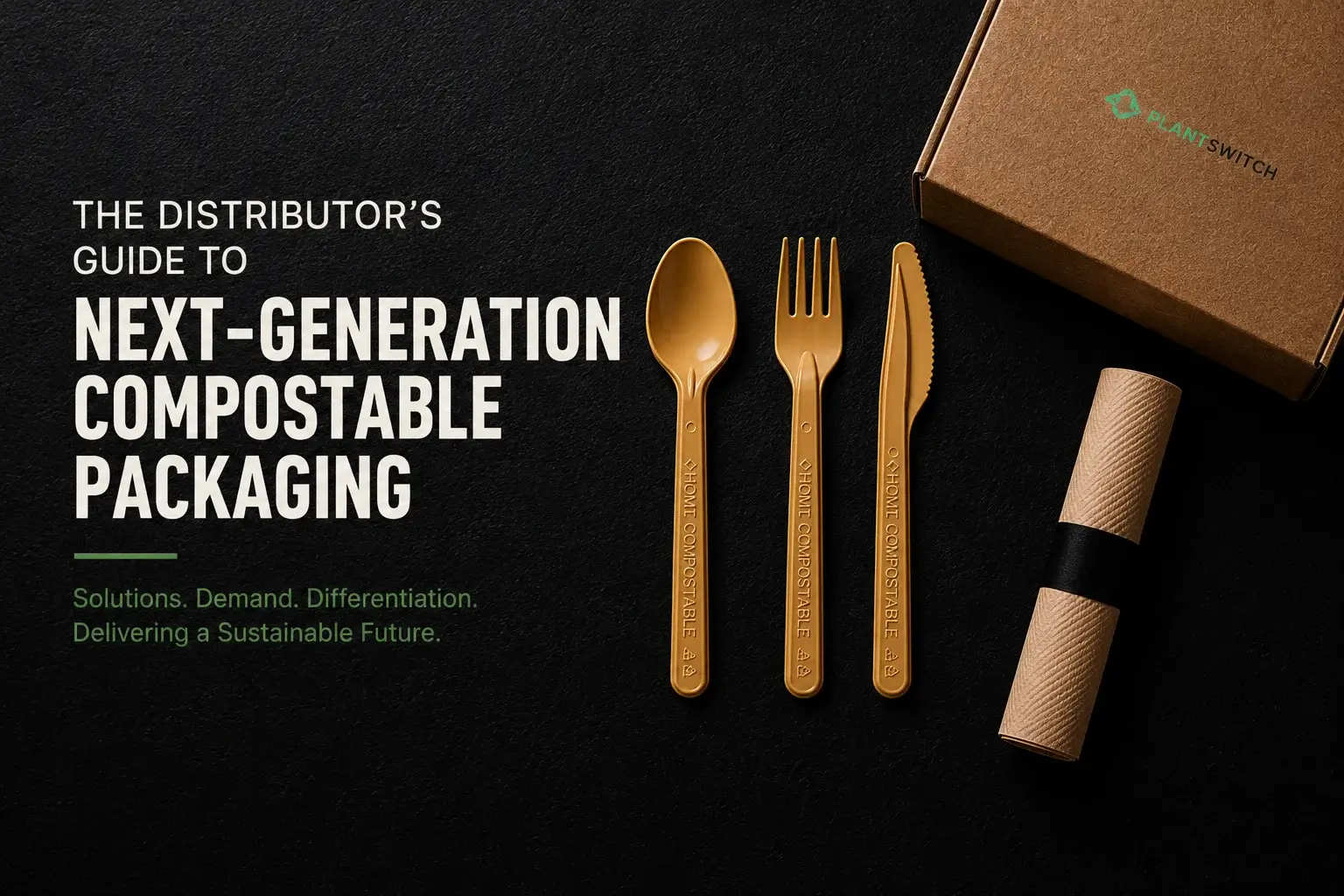
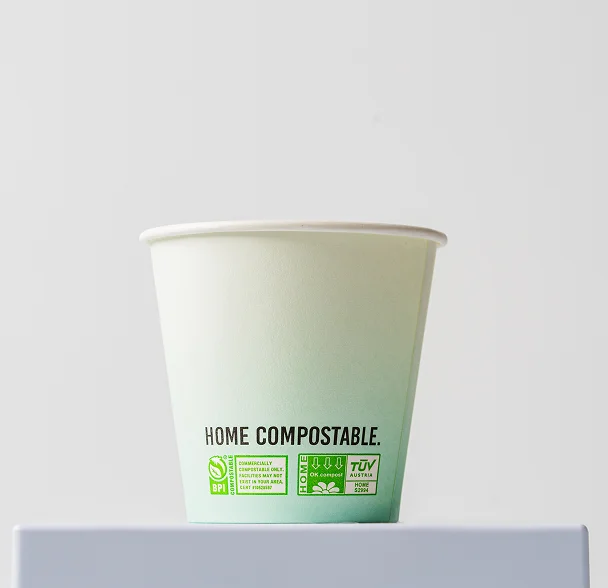
Our home compostable resin will fully break down in backyard compost in less than 6 months, leaving zero microplastics behind.
.webp)
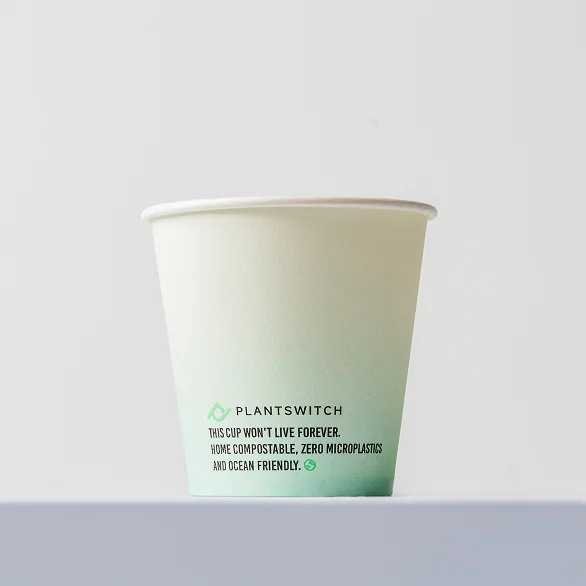
8 oz Cup
.webp)
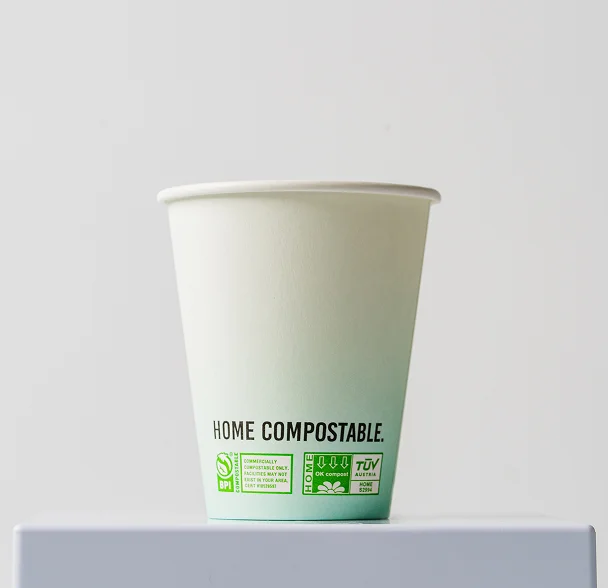
10 oz Cup
.webp)
.webp)
12 oz Cup
.webp)
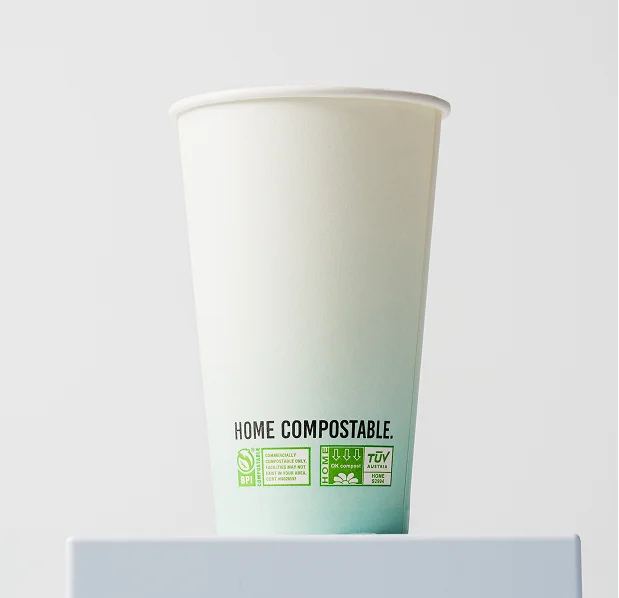
16 oz Cup
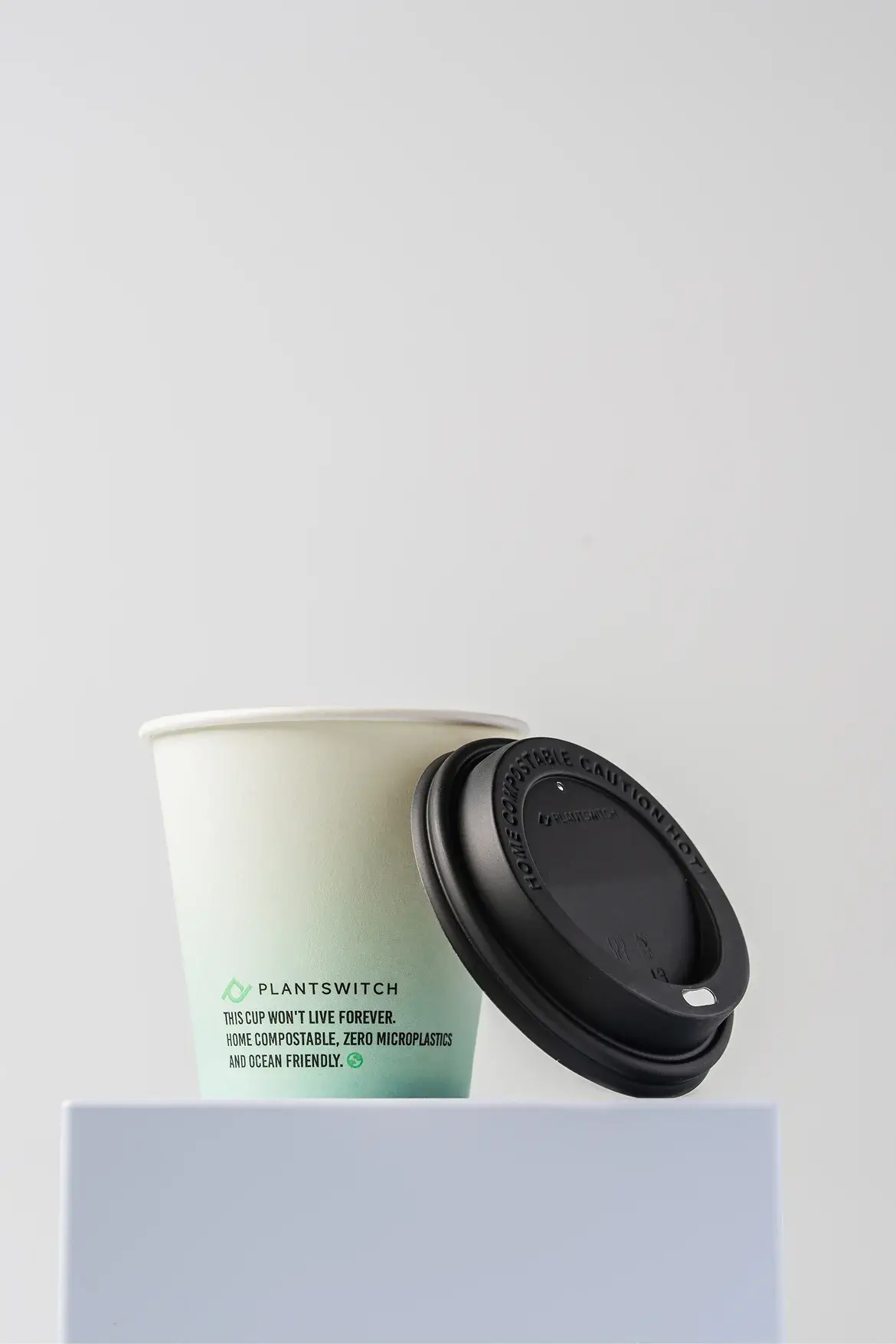
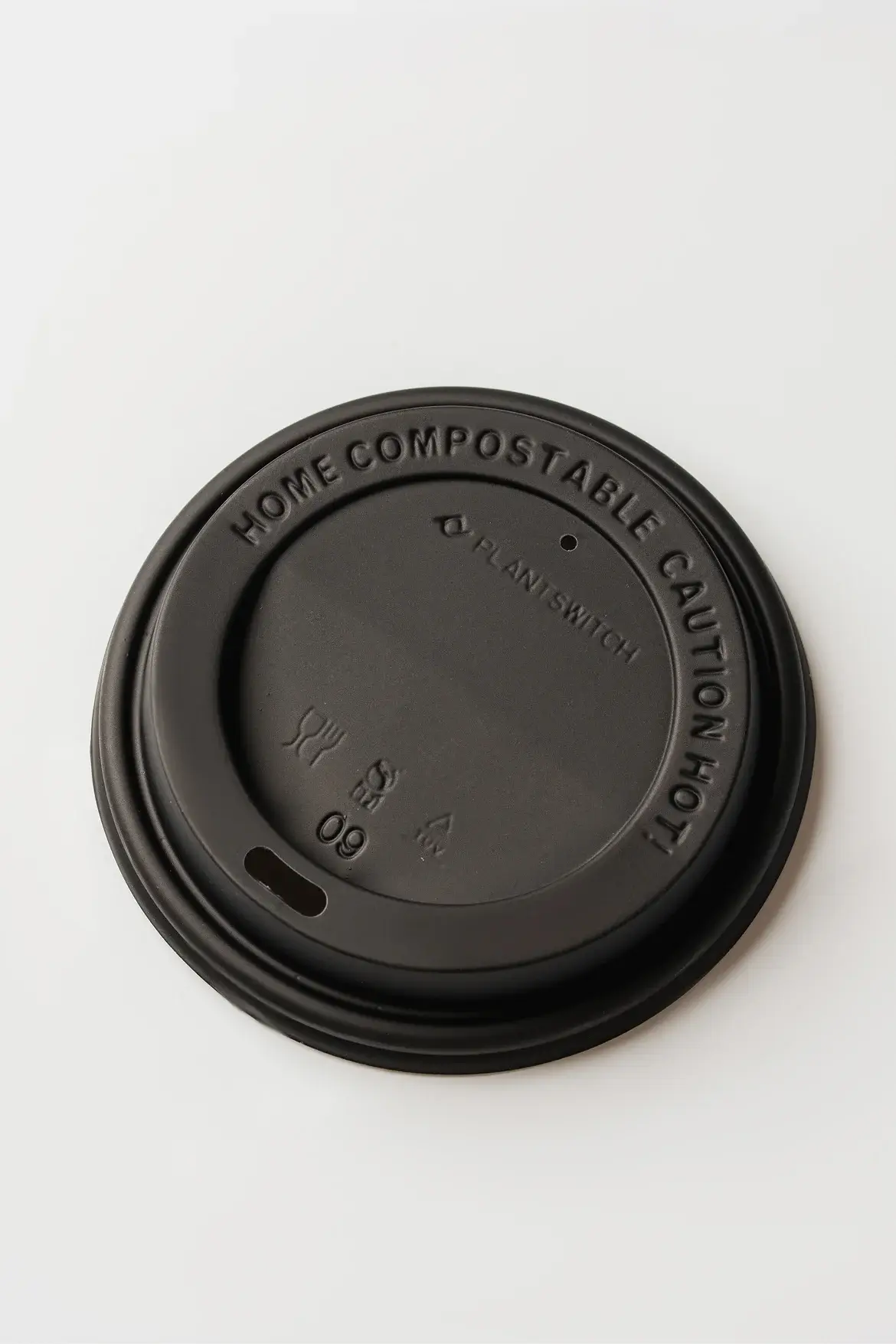
80 mm Lid Black
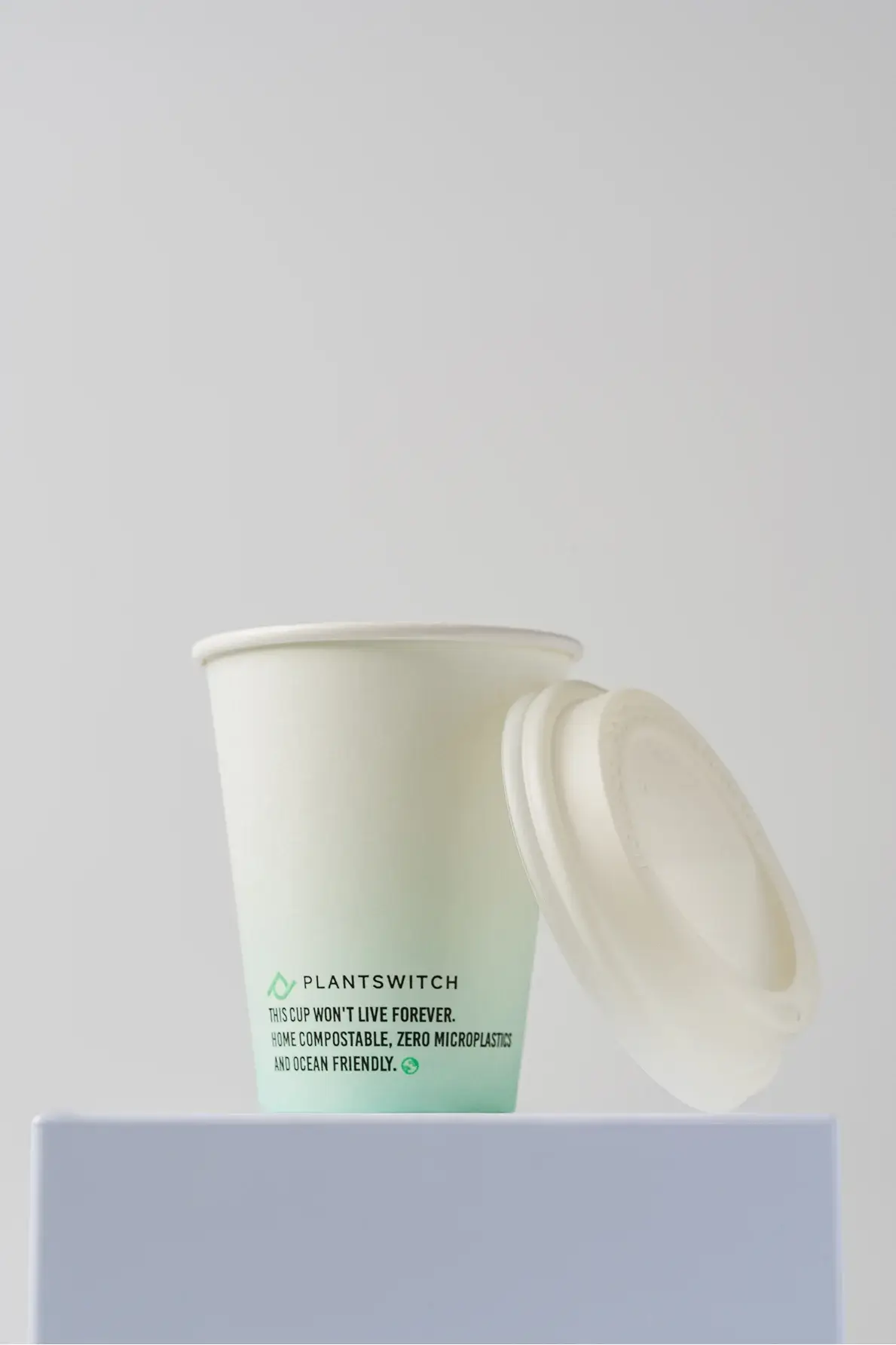
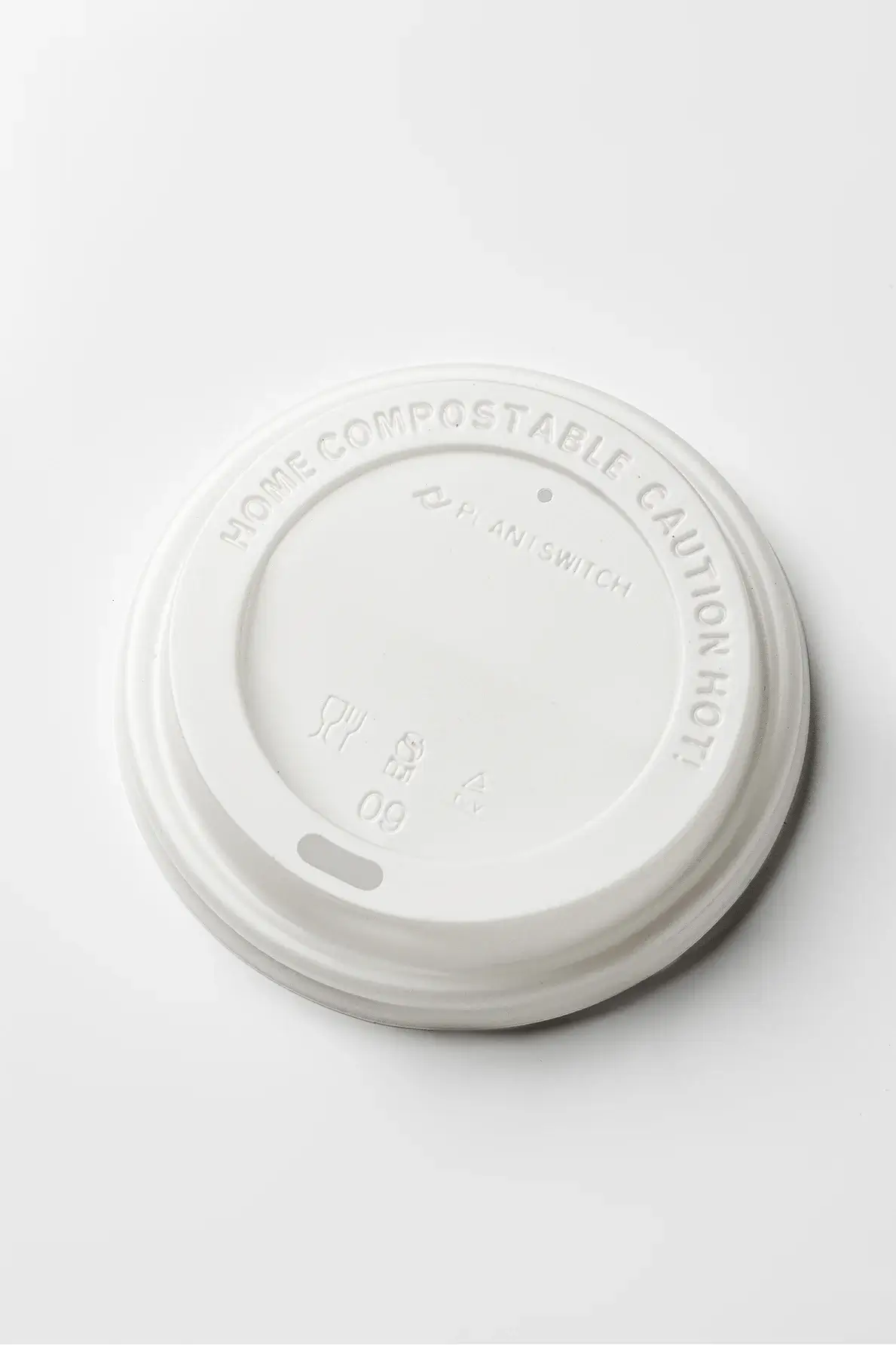
80 mm Lid Natural
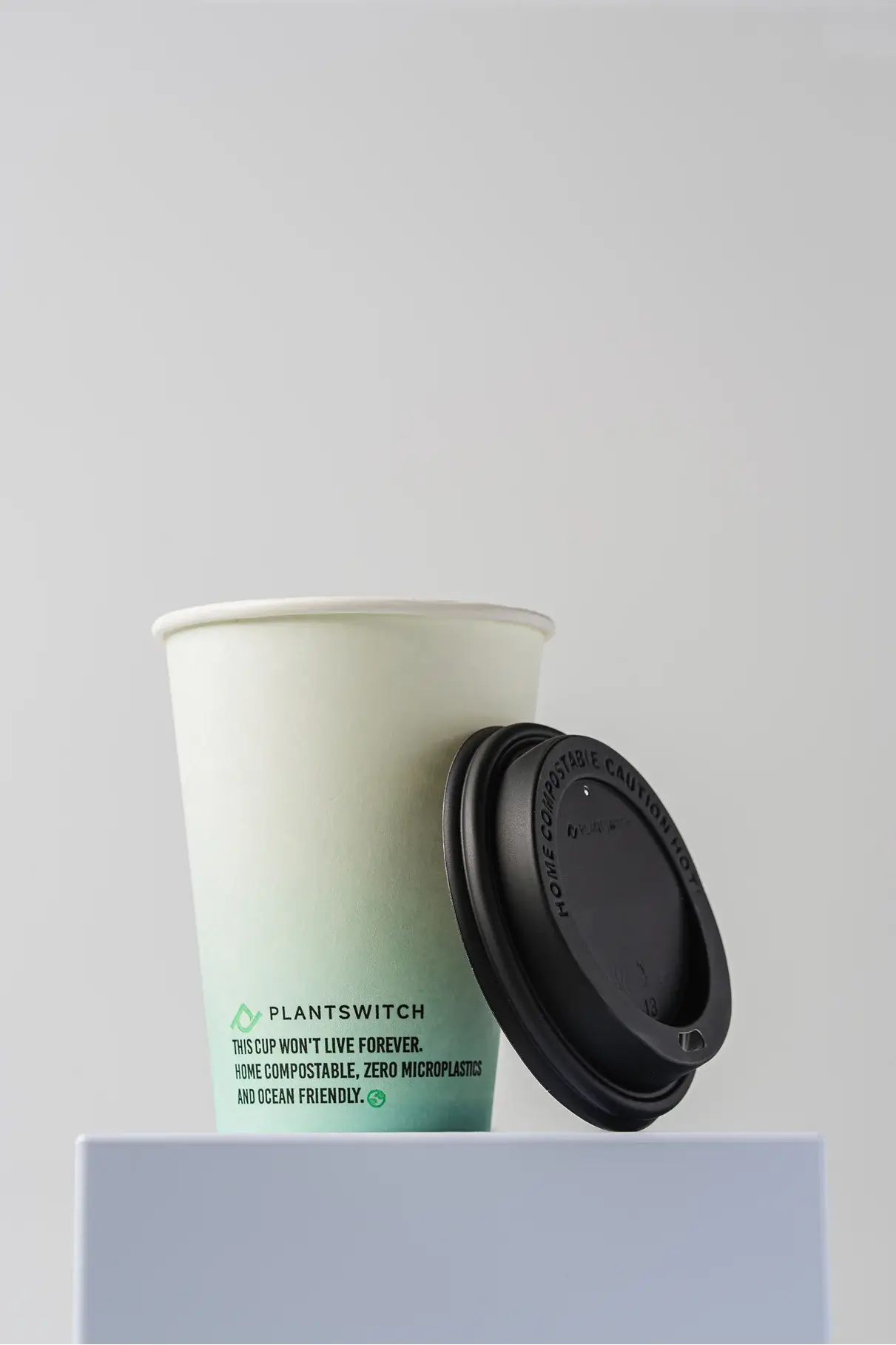
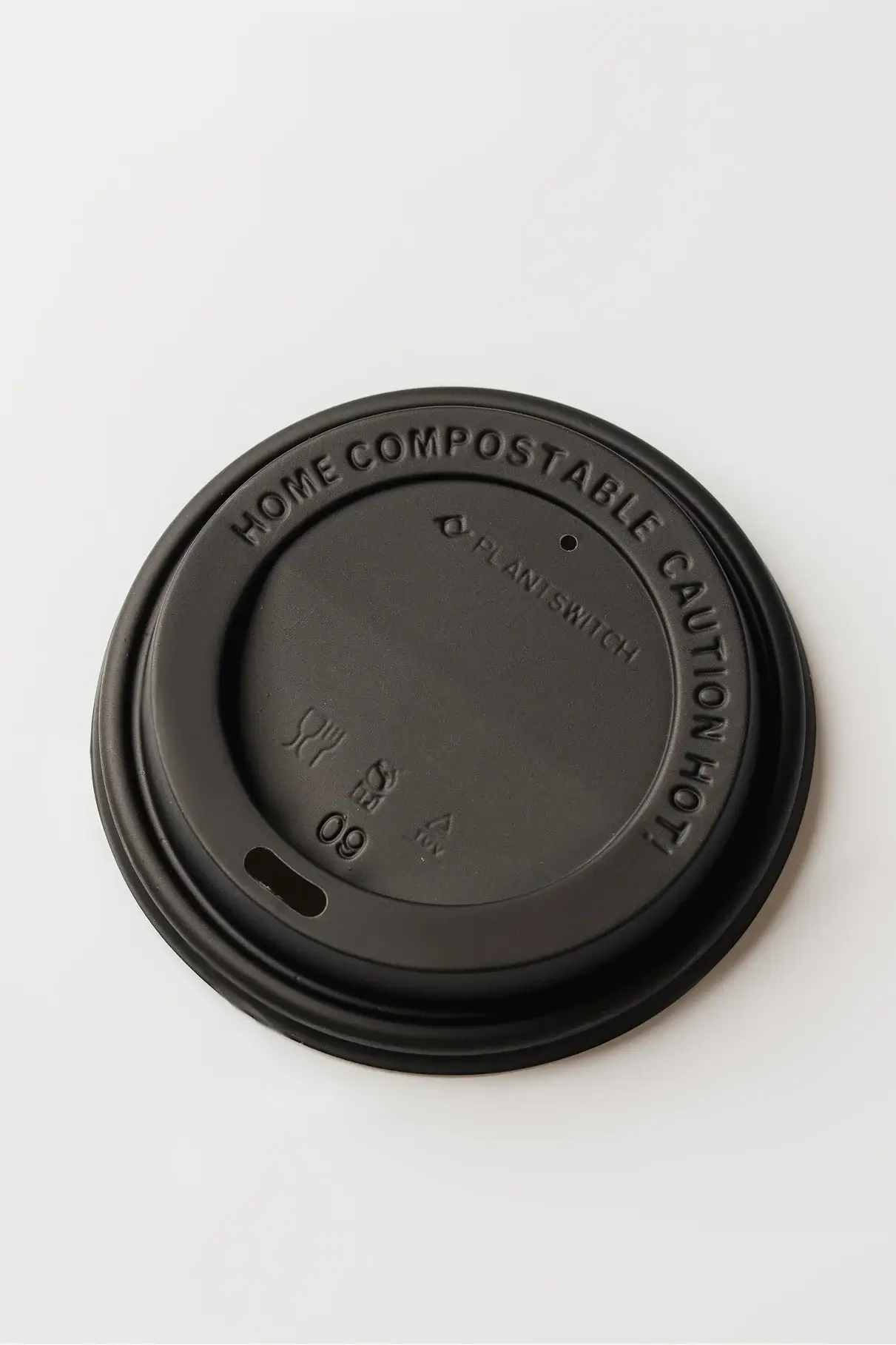
90 mm Lid Black
%20(1).webp)
.webp)
90 mm Lid Natural
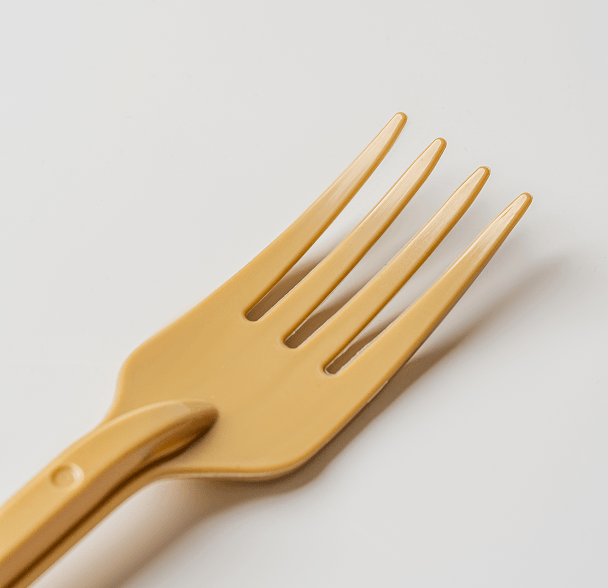
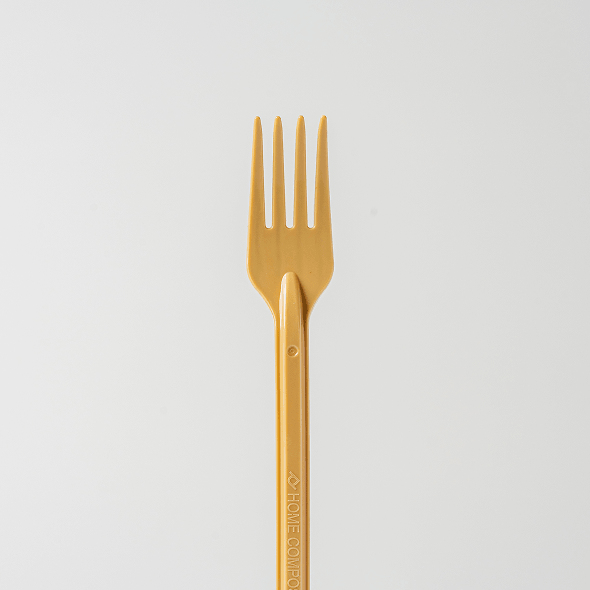
Fork
.webp)
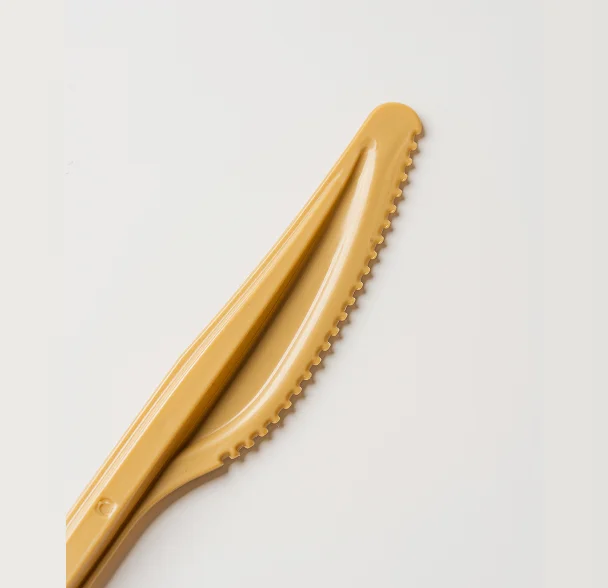
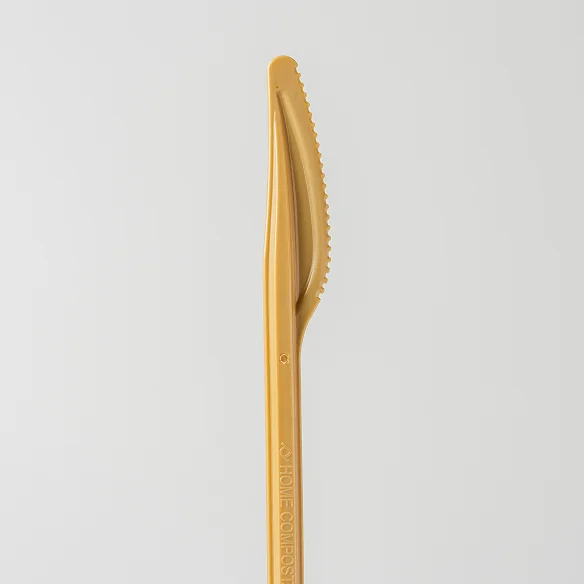
Knife
.webp)
.webp)
Spoon
.webp)
.webp)
Cutlery Set
%20(1).webp)
%20(1).webp)
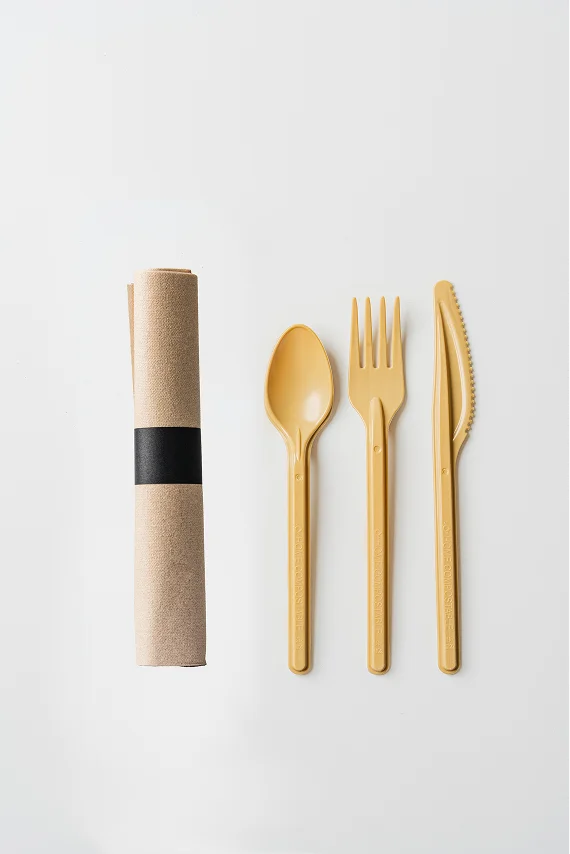
Wrapped Cutlery Kit
.webp)
.webp)
Napkin Roll
.webp)
.webp)
Wrapped Fork
.webp)
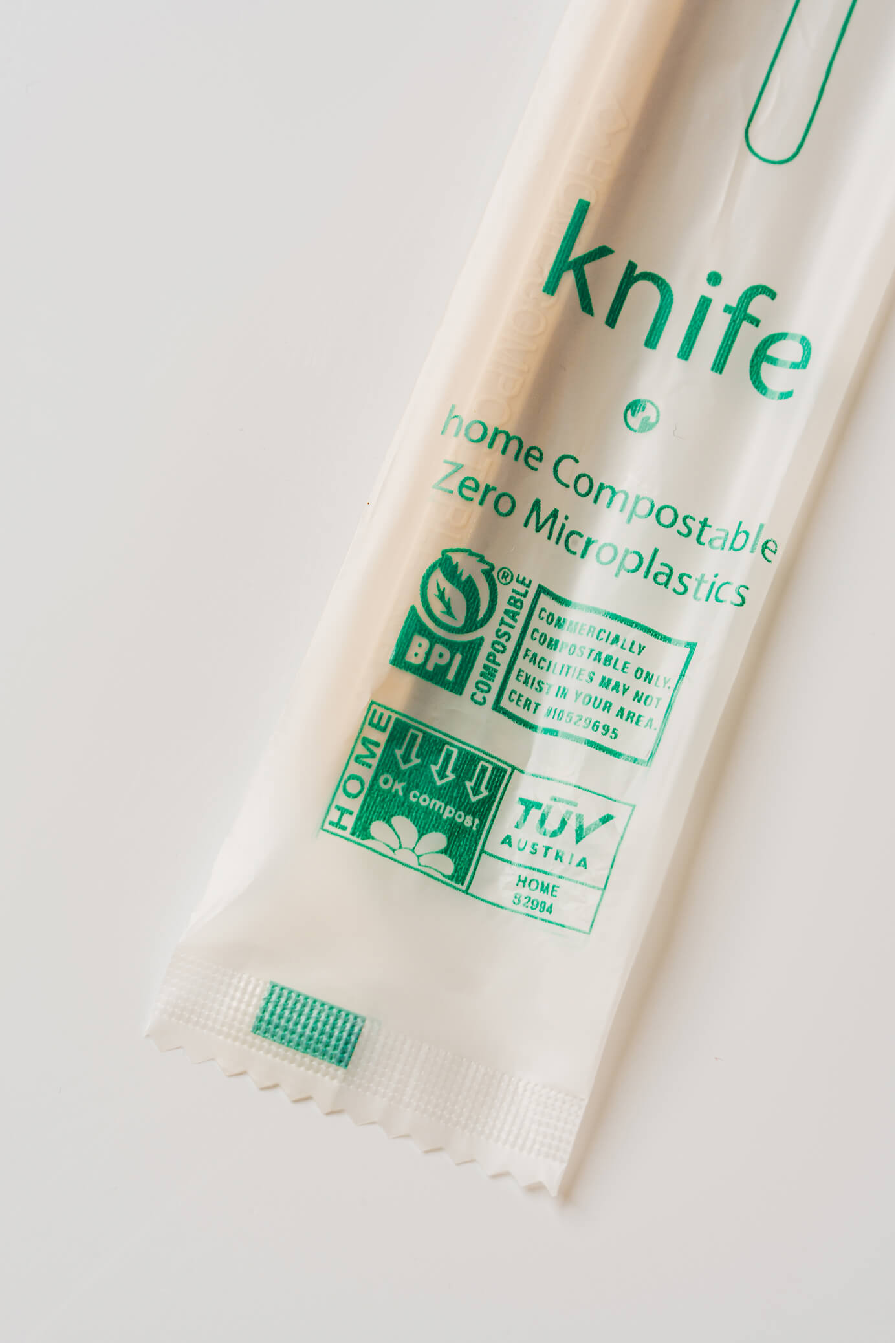
Wrapped Knife
.webp)
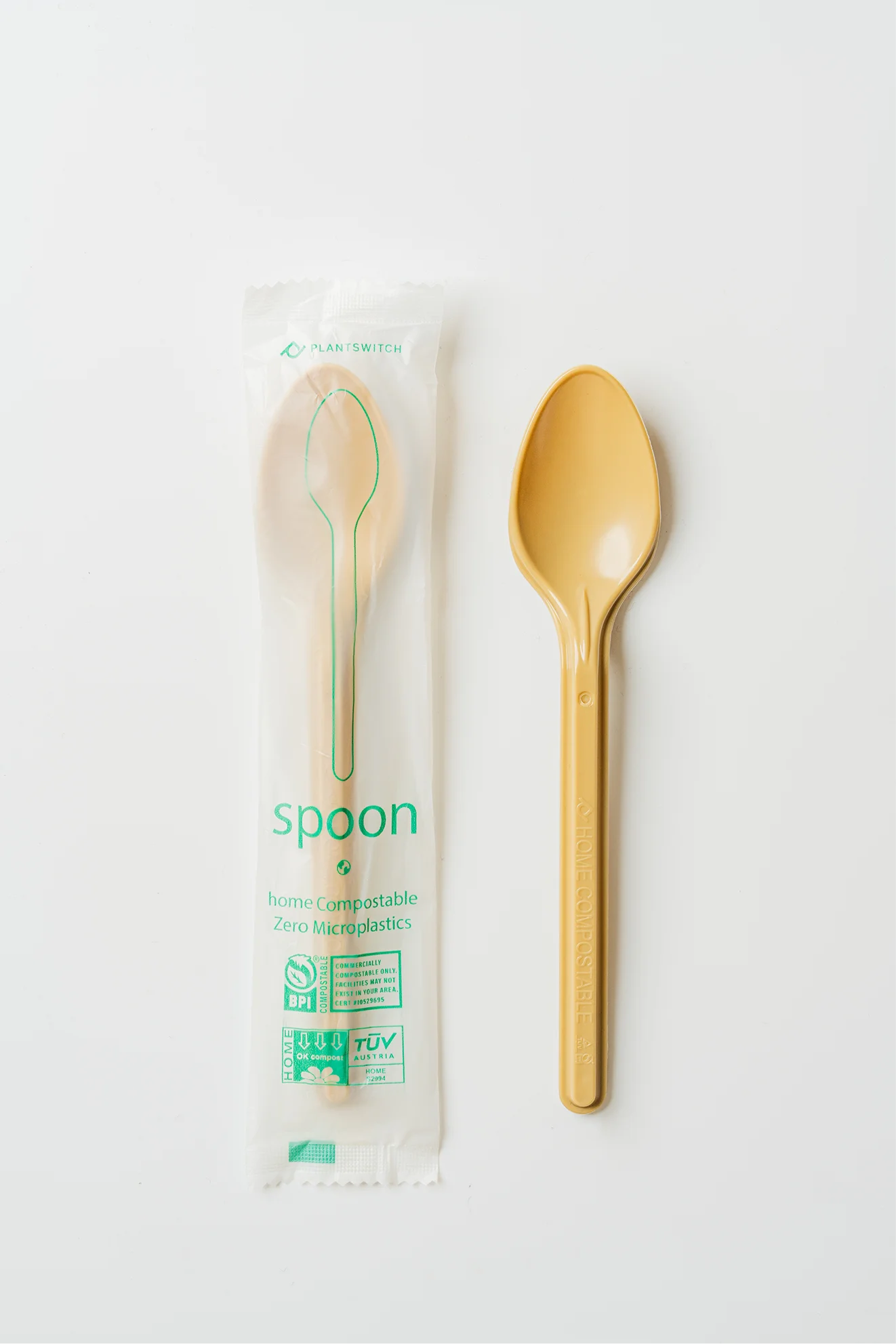
Wrapped Spoon
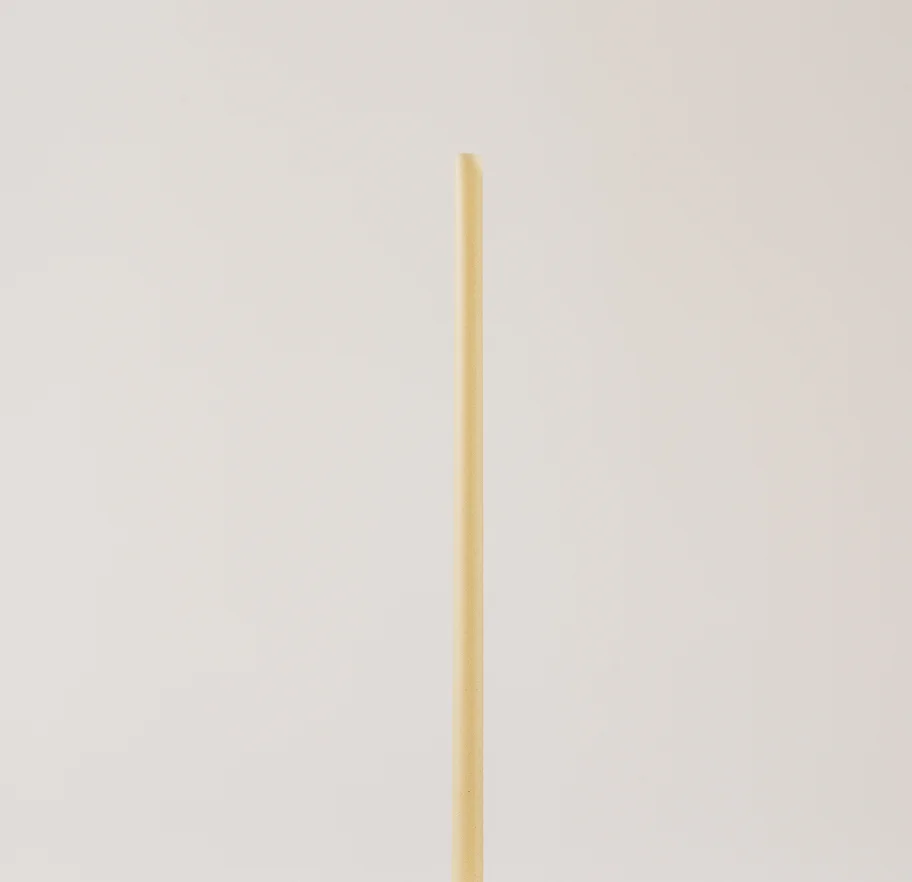
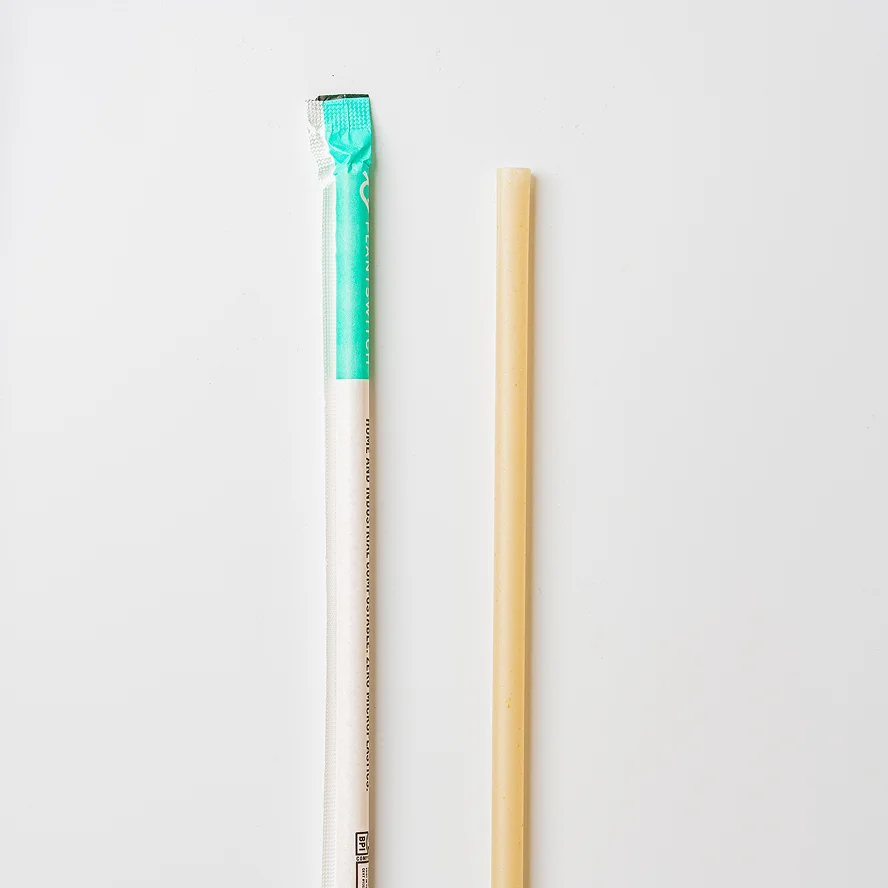
Cocktail Straw

.webp)
Jumbo Straw
.webp)
.webp)
Giant Straw
.webp)
.webp)
Boba Straw
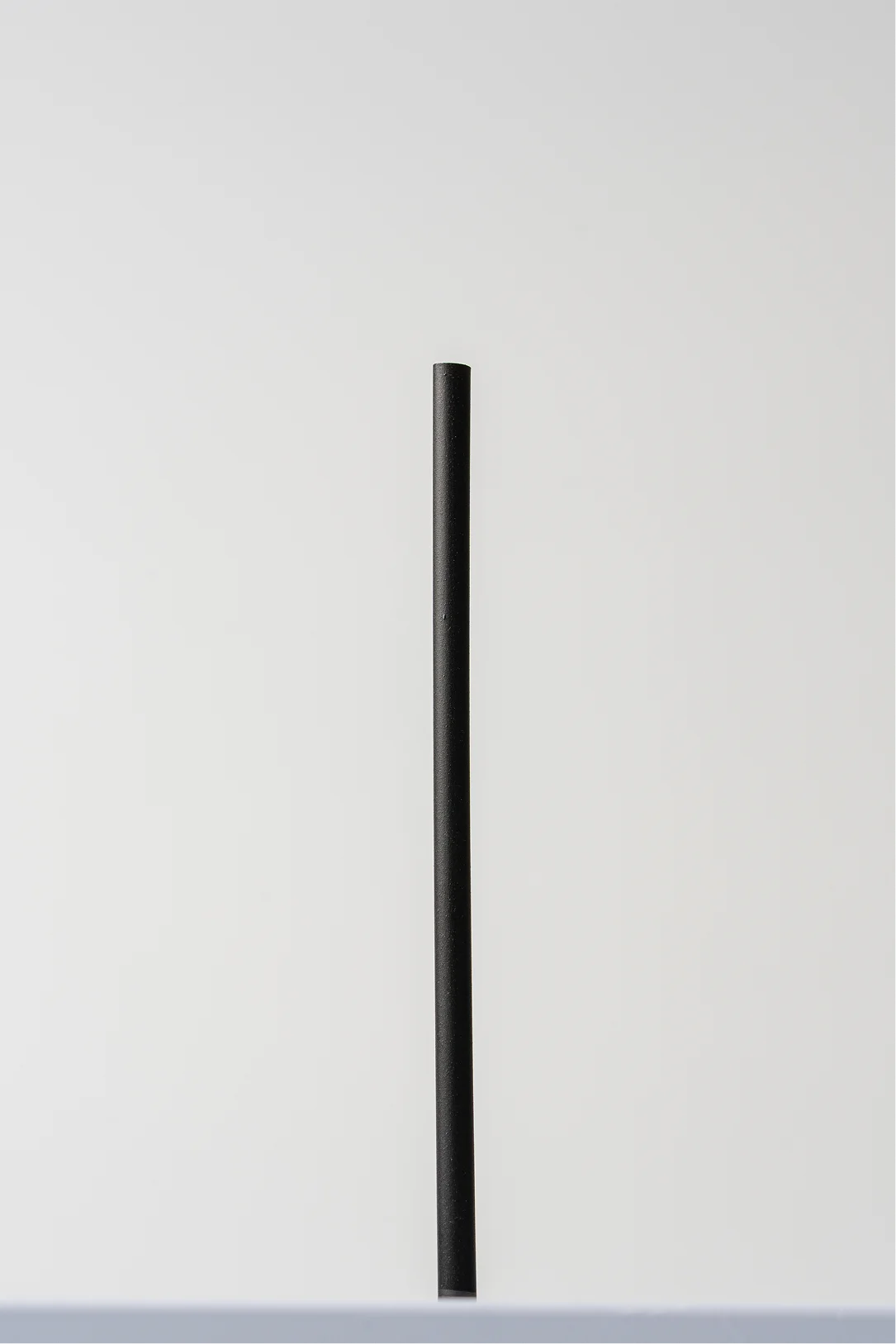
Black Cocktail Straw
.webp)
Black Jumbo Straw
.webp)
Black Giant Straw
.webp)
Black Boba Straw
.webp)
Resin
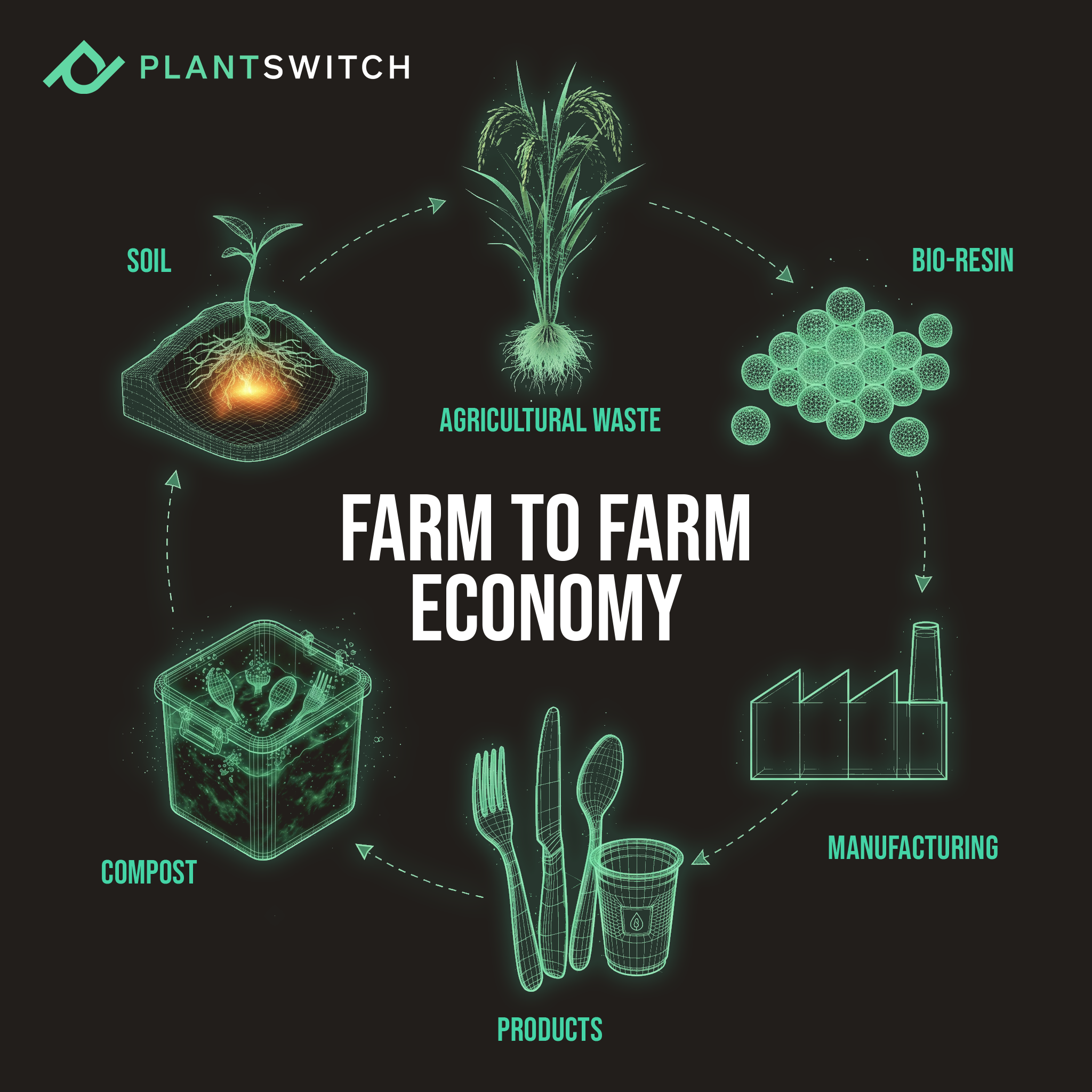
Our truly circular process starts at the farm and ends back at the farm. Our proprietary technology converts the leftovers from agricultural production into our high-performance CompostZero™ bio-resin, which we then convert into PlantSwitch products. Once used, our products go back into compost, leaving zero waste and zero microplastics.
Frequently Asked Questions

Is PlantSwitch actually compostable in my backyard, or do I need to send it somewhere special?
Yes, PlantSwitch is home compostable. You can toss it in a regular backyard compost bin and it'll break down on its own. Unlike PLA, which only breaks down at the high temperatures of an industrial composting facility, PlantSwitch's CompostZero ™ resin disintegrates in normal home compost conditions. Independent testing by Normec Group showed 100% disintegration in just under 10 weeks.
What's PlantSwitch made of?
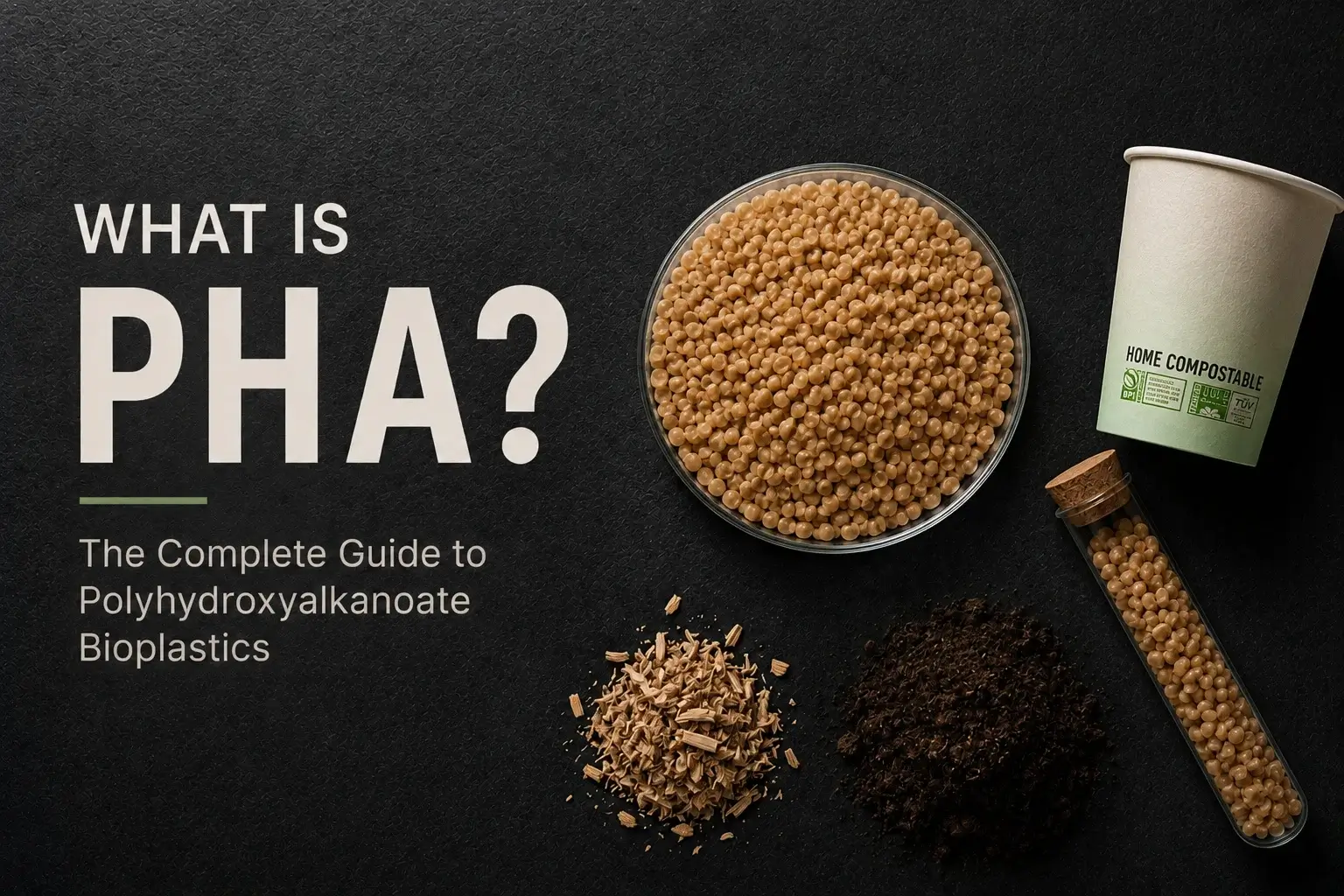
PlantSwitch is made from agricultural residues, primarily rice hulls. These are leftover byproducts from food production that usually have little to no commercial value. We turn them into a plant-based bio-resin called CompostZero ™, which gets molded into cups, cutlery, straws, lids, and other food packaging.
How is PlantSwitch different from PLA?
PLA is made from corn or sugarcane and only breaks down in industrial composting facilities. PlantSwitch is made from agricultural waste and breaks down in home compost. In a real-world home composting study, PlantSwitch cutlery outperformed both PLA and wooden alternatives, fully disintegrating while the others remained intact.
Will PlantSwitch leave microplastics behind?
No. PlantSwitch fully breaks down in home compost with zero microplastics remaining. Conventional plastics and some bioplastics fragment into tiny persistent particles that pollute soil and water. PlantSwitch doesn't do that, which is why we say "zero microplastics, zero waste."
How long does PlantSwitch take to break down?
Just under 10 weeks in home compost conditions. That number comes from independent testing by Normec Group, which measured 100% disintegration of PlantSwitch's CompostZero ™ resin in standard home composting conditions.
Can my restaurant or business buy PlantSwitch in bulk?
Yes. PlantSwitch manufactures resin and finished products in-house and sells in bulk to foodservice operators, distributors, brands, and retailers. Current customers include Taylor Farms, Walmart, Starlink, Wonder Ghost Kitchen, and Live Nation. You can request samples or a quote through the contact page.
Does PlantSwitch hold up to hot drinks and hot food?
Yes, PlantSwitch performs like conventional plastic. It won't melt in your coffee or break under your bowl of soup. The whole point of the product is to give you the same performance as petroleum plastic without the environmental cost.
Is PlantSwitch more expensive than regular plastic?
PlantSwitch is competitively priced with other compostable alternatives, and because we manufacture vertically (resin and finished products in-house), we're often the lowest-cost compostable option for buyers comparing across suppliers. Cost varies by product, volume, and customization. Contact us for a quote.
Can plastic manufacturers use PlantSwitch resin in their existing equipment?
Yes. CompostZero ™ is a drop-in solution that runs on existing plastic manufacturing equipment. Plastic converters can switch from petroleum-based resin to CompostZero ™ without buying new machinery, which is why we work with industrial partners as well as direct buyers.
Véalo en acción
Everest es un empresario de agricultura ecológica y técnico de laboratorio para Soil Food and Web School, uno de los programas privados de investigación y educación más completos que proporciona información, herramientas y certificaciones para soluciones regenerativas de suelos.TM actually biodegrades in nature. In a real-world home composting study, PlantSwitch cutlery significantly outperformed PLA and wooden alternatives.
Hacemos que el cambio del plástico a las plantas sea una decisión obvia
La resina compostable de nuestra casa se descompondrá por completo en el abono de un patio trasero, sin dejar ningún microplástico.
Damos a los residuos una segunda vida: los residuos agrícolas que reciclamos son subproductos de la producción de alimentos, les agregamos valor a la vez que resolvemos un problema de residuos para los productores agrícolas
Nuestras resinas se sienten y funcionan como el plástico, sin sentir culpa
Nuestras resinas son reemplazos «inmediatos», por lo que los fabricantes de plásticos pueden usar sus máquinas y procesos existentes con costos de cambio insignificantesTM resins and leading food packaging products in-house. Work directly with us for the best quality and lowest cost plastic alternatives.
Proceso
Nuestro proceso verdaderamente circular comienza en la granja y termina en la granja. Convertimos los residuos agrícolas en gránulos de plástico compostables, nuestros socios fabricantes utilizan esos gránulos para fabricar productos compostables, luego ese producto se utiliza y se desecha en abono que vuelve al agricultor.
Residuos agrícolas
Usamos las sobras de la principal producción de alimentos, como cáscaras de arroz, paja de trigo y más. Actualmente, estas sobras tienen poco o ningún valor, por lo que nuestro proceso les da una segunda vida muy importante.
Producción de biopolímeros
Nuestra tecnología patentada convierte estas materias primas en una resina de biopolímero. Nuestra resina se puede utilizar para fabricar la mayoría de los productos de plástico.
Productos terminados
Nuestra resina es una solución inmediata con la maquinaria plástica existente, lo que permite a los fabricantes de plástico cambiar sin problemas a nuestro material de origen vegetal.
Compostaje
Una vez que se haya utilizado el producto, puede desecharlo en el patio trasero o en el abono de su casa. Luego, ese abono se puede usar para cultivar más de estos maravillosos materiales.





Consejo consultivo


.webp)
.jpeg)